
Hu Zhang
English Name: polygonum cuspidatum, bushy knotwood root, Japanese knotwood root
Literal Translation: “tiger’s cane”
Pharmaceutical Name: Rhizoma Polygoni Cuspidati
Medica Category: Blood-Invigorating and Stasis-Removing Herbs
Properties: Hu Zhang enters the Liver, Gallbladder, and Lung channels; it is bitter in nature and cold in temperature.
What is Hu Zhang?:
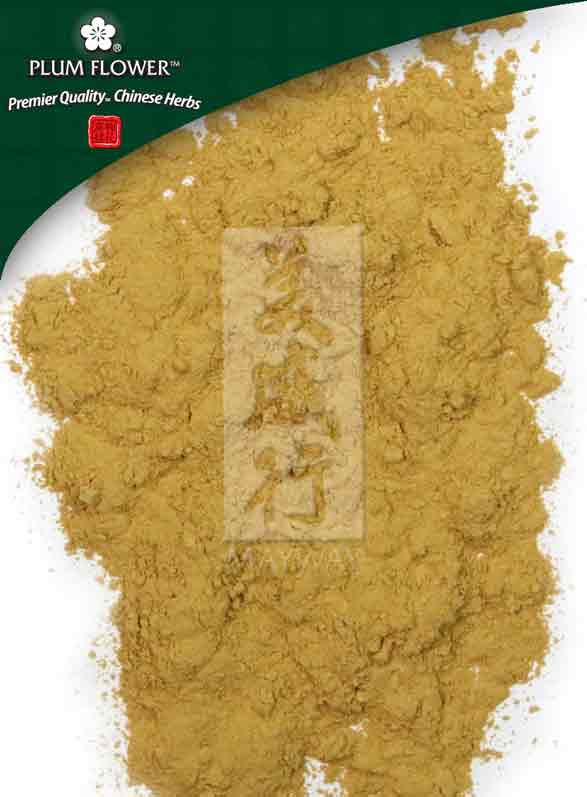
The Chinese Herb Hu Zhang is the dried rhizome of bushy knotwood (or Japanese knotwood– Polygonum cuspidatum Sieb. et. Zucc.), a herbaceous perennial plant in the buckwheat family native to East Asia but now found growing in temperate climes around the world. It is extremely tenacious and widely considered an invasive species because it can grow through pavement and masonry structures and is extremely difficult to eradicate. The rhizomes are used medicinally in TCM after being dug up, cleaned, and dried.
Traditional Chinese Medicine (TCM) Therapeutic Actions of Hu Zhang:
Hu Zhang activates blood circulation to relieve pain with blood stagnation at its root. Clinical applications of this herb include: amenorrhea with sharp, stabbing abdominal pain; bi zheng pain (painful obstruction syndrome); and pain from traumatic injuries.
Hu Zhang clears damp heat from the Liver and Gallbladder channels and is used to address jaundice, gallstones, and damp-heat leukorrhea (i.e. the discharge is foul-smelling).
Hu Zhang clears heat-toxins and can be used both internally and externally for this purpose. Clinical presentations addressed by this herb include: internal abscesses and swellings, burns, and snakebite.
Hu Zhang dissolves phlegm and clears heat to help stop cough (with yellow phlegm).
–safety notes:
Contraindicated during pregnancy.
Hu Zhang should be used with caution with insulin, sulfonylureas, and other antidiabetic medications (e.g. tolbutamide (Orinase), glipizide (Glucotrol), and glyburide (DiaBeta/Micronase) as it may have a synergistic effect leading to hypoglycemia.