What Is Yin Chiao and How Is It Used in Traditional Chinese Medicine?
Yin Chiao is a classic Traditional Chinese Medicine herbal formula commonly associated with the early stages of a wind-heat pattern. Also written as Yin Qiao, the formula combines herbs traditionally selected to clear wind-heat from the exterior and address signs such as throat discomfort, headache, thirst, cough, and fever.
Understanding Yin Chiao in Traditional Chinese Medicine
Traditional Chinese Medicine approaches seasonal discomfort according to patterns rather than treating every cough, sore throat, or cold presentation in the same way. Practitioners consider the nature of the symptoms, environmental influences, and the individual’s overall constitution when selecting an herbal formula. This pattern-based approach helps explain why different Chinese herbal formulas may be appropriate for different types of respiratory discomfort.
Yin Chiao is traditionally associated with wind-heat affecting the exterior of the body. This pattern may present with signs such as throat discomfort, thirst, headache, cough, and feelings of heat. The formula is generally associated with the beginning of this pattern rather than later stages after symptoms have changed or progressed.
For those interested in how TCM distinguishes among different respiratory patterns and herbal approaches, our guide to Best Chinese Medicines for Cough provides additional information about dry, phlegmy, heat-related, and deficiency-related cough patterns.
Yin Chiao and the Wind-Heat Pattern
In TCM, patterns such as wind-heat and wind-cold have different characteristics and call for different herbal approaches. Yin Chiao is traditionally used for wind-heat patterns, making symptom type and timing important. A qualified TCM practitioner can help determine the appropriate pattern, especially when symptoms are persistent or unclear.
Yin Chiao, Yin Qiao, and Other Names
Consumers may encounter several similar names while researching this formula. Yin Chiao and Yin Qiao refer to the same traditional formula using different romanization conventions. Product names may also include terms such as Yin Chiao Chieh Tu Pian or Yin Qiao Jie Du Pian.
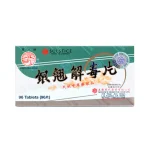
The word “Pian” refers to a tablet form, while “Wan” refers to a pill form. Best Chinese Medicines carries the formula in different presentations and from different manufacturers, so it is important to read the individual product label and directions instead of assuming that every version has the same serving instructions.
Yin Chiao Benefits and Traditional Uses
The traditional Yin Chiao benefits center on supporting the body during an early wind-heat presentation. Its combination of herbs is selected according to TCM principles, with particular attention to clearing exterior wind-heat and supporting comfort when early throat and respiratory signs are present.
Traditional Support at the First Signs of Seasonal Discomfort
Timing matters with Yin Chiao. It is traditionally used at the first signs of a wind-heat pattern, with Great Wall Brand recommending use during the first 24 to 48 hours. As symptoms change, another formula may be more appropriate, so follow product directions and consult a TCM practitioner when needed.
Support for Throat Comfort
Throat discomfort is one of the signs commonly associated with a wind-heat presentation in TCM. Yin Chiao includes herbs traditionally selected with this pattern in mind, making throat comfort one of the reasons consumers often become familiar with the formula.
Sore throats can occur for many reasons, however, and TCM does not necessarily approach every sore throat in the same way. The surrounding signs and symptoms help determine the pattern and appropriate herbal strategy.
Readers who want to learn more about the relationship between throat discomfort, allergies, and traditional herbal approaches can explore our article on Itchy Skin Allergies Sore Throat Chinese Herbal Medicine.
Respiratory and Seasonal Wellness
Yin Chiao is traditionally associated with respiratory wellness when cough and throat discomfort occur as part of a wind-heat pattern. Since TCM recognizes different types of coughs and symptom patterns, Yin Chiao may not be appropriate for every cough. Consult a TCM practitioner or physician if you are unsure which pattern applies.
Yin Qiao for Seasonal and Respiratory Wellness
Yin Qiao has a long-established place in Chinese herbal practice as a formula associated with early wind-heat signs. Its traditional use illustrates a central principle of TCM: herbal formulas are selected according to the pattern being presented rather than solely according to the name of a symptom.
When Yin Qiao May Be Considered
Yin Qiao is traditionally used at the beginning of a wind-heat pattern, which may include throat discomfort, headache, thirst, cough, and feelings of heat. Since symptoms and TCM patterns can change over time, consider the overall presentation rather than relying on a single symptom.
Yin Qiao and Seasonal Throat Discomfort
Seasonal throat discomfort is not limited to colder months. Changes in weather, environmental exposure, and other seasonal factors can affect how a person feels at different times of the year.
From a TCM perspective, the nature of the signs matters more than the season alone. A sore throat accompanied by characteristics associated with wind-heat may call for a different approach than throat discomfort connected with dryness, cold, or another pattern.
Our article Sore Throat in Summer Yin Chiao to the Rescue discusses Yin Chiao specifically in the context of summertime throat discomfort and provides further background on its traditional use.
Why TCM Pattern Identification Matters
TCM distinguishes between patterns such as heat and cold, as well as dry and phlegmy coughs, which can influence formula selection. Yin Qiao may not suit every type of respiratory discomfort. Consult a qualified practitioner if symptoms persist, worsen, or do not clearly match its traditional use.
Yin Chiao Chieh Tu Pian Ingredients and Herbal Formula
Yin Chiao Chieh Tu Pian brings together multiple Chinese herbs rather than relying on a single botanical ingredient. In TCM, formulas are designed so that individual herbs perform complementary roles within a broader herbal strategy.
Honeysuckle and Forsythia
Two central herbs in the Great Wall Brand formula are Jin Yin Hua, or honeysuckle flower, and Lian Qiao, or forsythia fruit. The product information describes these as leading herbs in the formula and associates them with clearing wind-heat from the exterior.
These ingredients also help explain the formula’s name. “Yin Qiao” is derived from Jin Yin Hua and Lian Qiao, highlighting the importance of these two herbs within the traditional combination.
Rather than evaluating each ingredient in isolation, TCM generally considers how the complete formula addresses a particular pattern.
Supporting Herbs in the Formula
The Great Wall Brand Yin Chiao Chieh Tu Pian formula also contains Jie Geng, or platycodon; Bo He, or mint; Dan Zhu Ye, or lophatherum; Jing Jie, or schizonepeta; Dan Dou Chi, or fermented soybean; Niu Bang Zi, or burdock fruit; Gan Cao, or Chinese licorice; and cnidium herb. The listed other ingredients are corn starch and water.
Each herb contributes to the overall traditional composition. For example, the product information highlights mint, platycodon, and lophatherum among the herbs supporting the formula’s wind-heat-clearing action.
Consumers with allergies, dietary restrictions, or concerns about specific herbs should review the complete ingredient panel for the product they are purchasing.
A Formula Built According to TCM Principles
Traditional Chinese herbal formulas commonly combine several herbs to create a coordinated effect. Yin Chiao Chieh Tu Pian follows this approach by bringing together botanicals traditionally associated with the particular characteristics of an exterior wind-heat pattern.
This also means that the complete formulation matters. Different manufacturers may offer Yin Chiao in different forms or with product-specific directions.
At Best Chinese Medicines, we focus on making authentic Chinese herbal formulas from established manufacturers accessible while providing educational information that helps customers understand their traditional applications. Our selection reflects our broader commitment to natural, holistic wellness and time-tested TCM principles.
How to Use Yin Qiao Jie Du Pian
Yin Qiao Jie Du Pian is available in tablet and other traditional dosage forms, and directions can differ depending on the manufacturer and product. Always use the directions printed on the specific package you purchase or follow the guidance of your healthcare practitioner.
Follow the Directions for Your Specific Product
Dosage should be based on the individual Yin Qiao product rather than a general instruction found elsewhere. For example, the Great Wall Brand Yin Chiao Chieh Tu Pian page directs adults to take four tablets twice per day, or as directed by a healthcare practitioner. The Plum Flower blister-pack version lists four tablets three times per day.
This difference makes label reading particularly important. Similar formula names do not necessarily mean identical serving instructions.
Do not increase the amount or frequency simply because another version of Yin Qiao uses different directions. Use the instructions associated with the exact product in your possession.
Timing Yin Qiao Jie Du Pian
Yin Qiao Jie Du Pian is traditionally associated with early-stage wind-heat signs, so timing is part of its intended use. The Great Wall Brand product information recommends use within the first 24 to 48 hours after the onset of relevant symptoms.
The same product information advises discontinuing the formula after this early period and notes that a different formula may be appropriate if the pattern has progressed. This reflects the TCM concept that an herbal approach may need to change as the presentation changes.
If symptoms persist or worsen, seek appropriate medical advice rather than relying on continued self-treatment with an herbal supplement.
Precautions Before Taking Yin Qiao
Herbal products should be used thoughtfully, especially by people who take medications, have ongoing health conditions, or use other supplements. Consulting a qualified TCM practitioner or physician can help determine whether Yin Qiao fits your individual needs.
The Great Wall Brand product information states that its Yin Chiao Chieh Tu Pian is not recommended for pregnant or nursing women. Other products may carry their own warnings, so always review the complete label before use.
If you are uncertain which TCM pattern best describes your symptoms, professional guidance is preferable to choosing a formula solely because one familiar symptom appears on its product page.
Choosing Yin Chiao for Your Wellness Routine
Yin Chiao remains one of the recognizable traditional Chinese herbal formulas for people exploring TCM approaches to seasonal wellness. Understanding its intended pattern, ingredients, timing, and product-specific directions can help you make a more informed choice.
Choose the Formula According to the Pattern
Yin Chiao has a specific role within Traditional Chinese Medicine. It is traditionally associated with an exterior wind-heat presentation rather than serving as a universal option for every cough, sore throat, or seasonal wellness concern.
Consider the complete pattern of signs before selecting a formula. If your presentation is difficult to identify or does not align with the traditional use of Yin Chiao, consult a qualified practitioner.
This pattern-focused approach is central to Chinese herbal medicine and can help consumers better understand the differences among the many traditional formulas available.
Review the Brand, Ingredients, and Dosage Form
Yin Chiao is available from different manufacturers and in several forms. Best Chinese Medicines carries options including Great Wall Brand Yin Chiao Chieh Tu Pian and other Yin Qiao products.
Before choosing one, review the ingredient list, dosage form, serving instructions, quantity, and precautions. These details may differ even when products are based on the same traditional formula.
Best Chinese Medicines specializes in Traditional Chinese herbal medicine and offers a curated range of formulas, teas, tinctures, and supplements for customers interested in natural and holistic wellness support.
Make Yin Chiao Part of an Informed TCM Approach
Keeping a traditional formula on hand can be convenient, but understanding when and how it is traditionally used is equally important. Yin Chiao is best understood within the larger framework of TCM pattern identification, where the timing, nature, and combination of signs help guide formula selection.
Read the product label before use and pay attention to changes in how you feel. For personalized recommendations, speak with a TCM practitioner, physician, or other qualified healthcare professional.
This approach allows you to explore traditional herbal wellness while making choices based on the specific formula, its intended use, and your individual circumstances.





Verified owner
The service was fast and order came quickly…
(0)
(0)
Verified owner
I was first introduced to this particular brand of Yin Chiao by the first acupuncturist I consulted 40 years ago.
Since that time I have occasionally been given different brands of Yin Chiao by other practitioners. I always return to this one as it works like magic for me in warding off illness. I always have a supply of it available and take it the instant I start to feel ill. I have avoided dozens of colds and flues over the years. I highly recommend this brand.
(0)
(0)
Verified owner
I have used Yin Chiao for a long time now. At the first slightest indication of a cold or sneezing, I take a dose for a day or two. That generally knocks the disease out of me. The Great Wall brand is traditional in it’s formulation and presentation and is the most effective Yin Chiao out there, imho. I would void the cosmetically sugar-coated, modern processed brand(s).
(0)
(0)