(Zhi) Cao Wu
English Name: wild aconite root (prepared), Kusnezoff monk’s hood root (prepared)
Pharmaceutical Name: Radix Aconiti Kusnezoffii
Medica Category: Interior-Warming Herbs
Properties: Cao Wu enters the Heart, Liver, and Spleen channels; it is acrid and bitter in nature and hot in temperature.
 What is Cao Wu?:
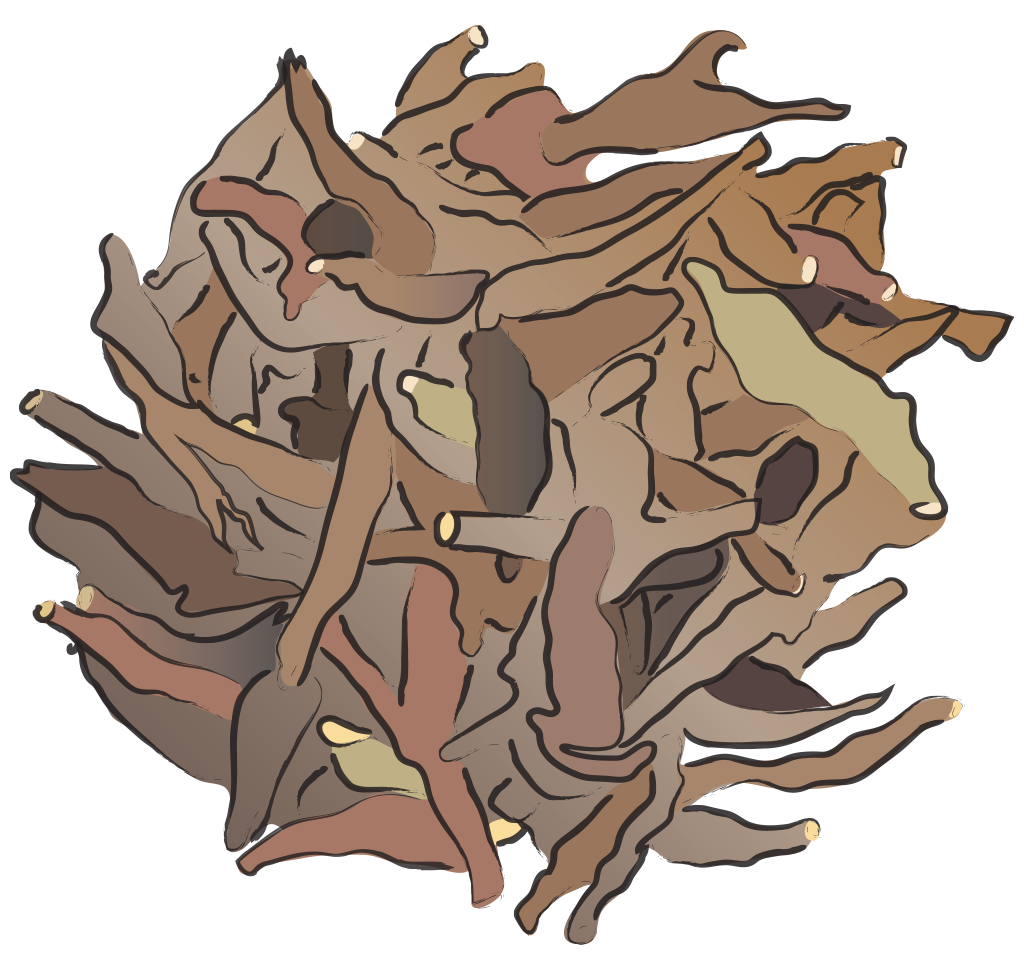
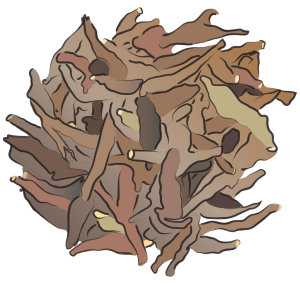
The Chinese Herb Cao Wu is processed wild aconite root (Aconiti kusnezoffii Reichb.). It is similar to Aconiti carmichaeli (from which the Chinese herbs Fu Zi and Chuan Wu are derived) but is usually harvested from the wild (i.e. not cultivated); it is both stronger and more toxic than its cultivated cousins.
The unprocessed form of Cao Wu is extremely toxic and should not be used (or even be easily available on the retail market). Contraindications and a short discussion of the processing methods are the same as for Fu Zi and Chuan Wu and are discussed in detail in those two entries. Even after processing, this herb should only be used under the supervision of a trained TCM practitioner.
Traditional Chinese Medicine (TCM) Therapeutic Actions of Cao Wu:
Cao Wu dispels wind and disperses cold to relieve pain and treat bi zheng (painful obstruction syndrome) characterized by wind and dampness. (e.g. headache, abdominal pain, and musculoskeletal pain). It is often combined with blood-activating herbs to enhance its ability to relieve pain.
Cao Wu has an acrid, dispersing nature and as such is used topically to address chronic yin sores (i.e. non-healing abscesses and sores and do not show heat signs).
–safety notes (abbreviated):
Cao Wu is contraindicated for pregnancy.
Consumption of alcohol is contraindicated with the intake of Cao Wu.
Cao Wu is contraindicated in patients with yang excess and yin deficiency (“false cold and true heat” in TCM parlance).
See the entries for Fu Zi or Chuan Wu for more on the responsible use and handling of Cao Wu.