Fu Ling
English Name: poria, hoelon, tuckahoe
Pharmaceutical Name: Poria
Medica Category: Water-Regulating and Damp-Resolving Herbs
Properties: Fu Ling enters the Heart, Spleen, and Kidney channels; it is sweet and bland in nature and neutral in temperature.
What is Fu Ling?:
The Chinese Herb Fu Ling comes from a type of fungus called poria (Poria cocos (Schw.) Wolf) that usually grows at the base of pine trees. The sclerotum of this fungus (which resembles a coconut) grows underneath the soil and is a compact, concentrated mass of mycelium that stores nutrients (and other constituents) of the organism. It is dug up, cut into slices and sun-dried for use as medicine.
Fu Ling, properly, comprises the slices derived from the inner portion of the poria fungus. Variations (with slightly different actions) include Fu Ling Pi, which is the outer (still white) portions of the poria fungus; Chi Fu Ling, which is the outer, light red layer; and Fu Shen, which is the innermost layer surrounding the root (see Chen and Chen p. 384 for details on the TCM actions of these variants).
Traditional Chinese Medicine (TCM) Therapeutic Actions of Fu Ling
Fu Ling promotes urination and resolves dampness to treat dysuria, edema, and dampness and phlegm accumulations.
Fu Ling strengthens and tonifies the Spleen Qi deficiency (which is a main root cause for the accumulation of dampness that leads to, for example, edema, fatigue, poor appetite, and loose stools).
Fu Ling calms the Shen in cases where Heart/Spleen deficiency or phlegm obstructing the Heart leads to palpitations, anxiety, and insomnia. (Fu Shen is best at this action).
**safety note—this herb has a diuretic effect and should be used with caution/under supervision of a trained TCM practitioner when combined with pharmaceutical medications that have diuretic effects (such as chlorothiazide, hydrochlorothiazide, furosemide (Lasix), bumetanide (Bumex), and torsemide (Demadex)) to avoid potentially excessive loss of fluids and/or electrolytes.
Products Containing Tag: Fu Ling – Poria Mushroom – Poria
-
Culing Wan (Kang Ning Wan or Curing Pills) – Chu Kiang Brand
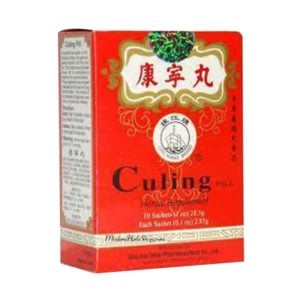 Add to CartStarting at $9.99
 -
Xiao Yao Wan – Relaxx Extract – Lanzhou Traditional Herbs (KGS)
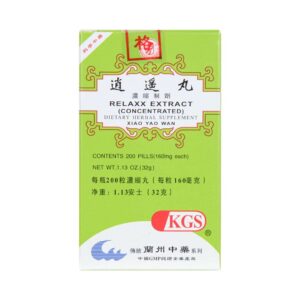 Add to CartStarting at $7.89
 -
Pei Pa Koa – Loquat Chinese Cough Syrup – (300ml /10fl oz)
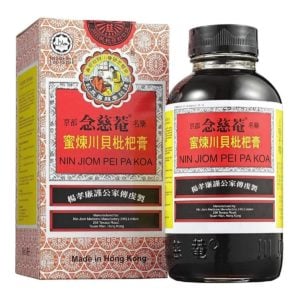 Add to Cart$25.34
 -
Bojenmi Chinese Weight Loss Tea – (LIMITED QTY)
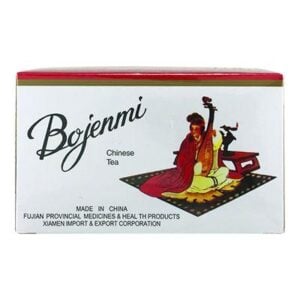 Add to Cart$12.49
 -
Liu Wei Di Huang Tang (Rehmannia Six) – Liquid Extract (Tincture)
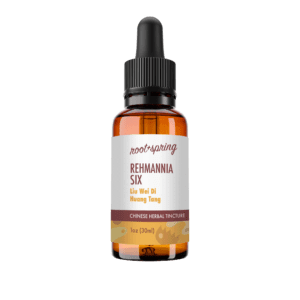 Add to CartStarting at $14.00
 -
Liu Wei Di Huang Wan – Six Flavor Rehmanni – Lanzhou Traditional Herbs (KGS)
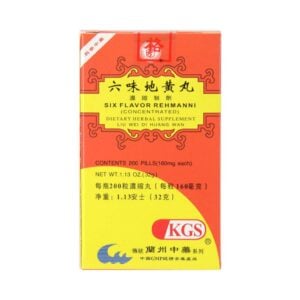 Add to CartStarting at $7.89
 -
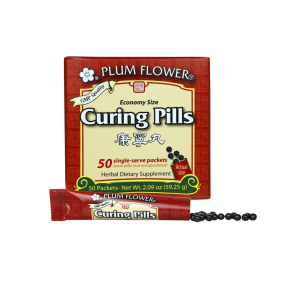
Plum Flower – Curing Pills (Kang Ning Wan)
 Add to CartStarting at $14.93
 -
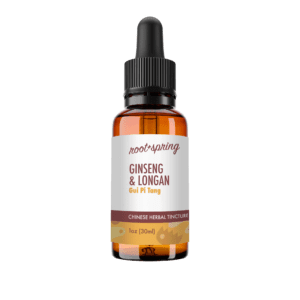
Gui Pi Tang (Ginseng and Longan) – Liquid Extract (Tincture)
 Add to CartStarting at $14.00
 -
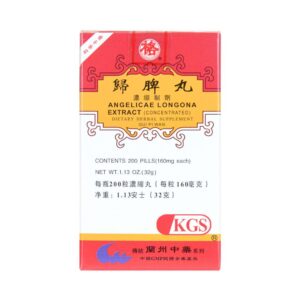
Gui Pi Wan – Angelicae Longona Extract – Lanzhou Traditional Herbs (KGS)
 Add to CartStarting at $7.89
 -
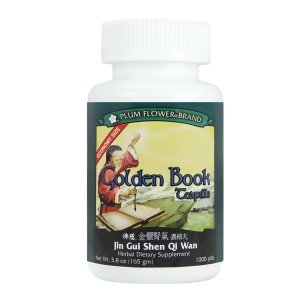
Plum Flower – Golden Book (Jin Gui (Kui) Shen Qi Wan)
 Add to CartStarting at $24.13