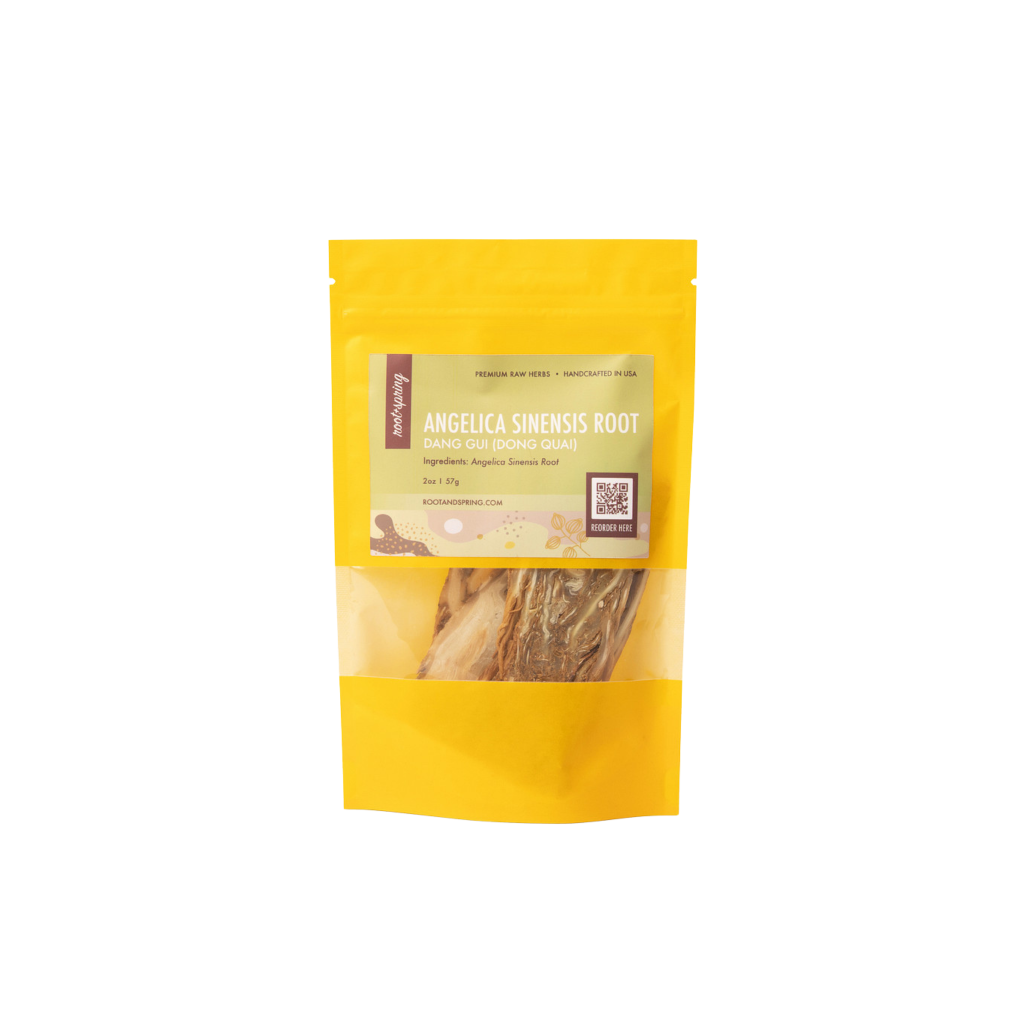
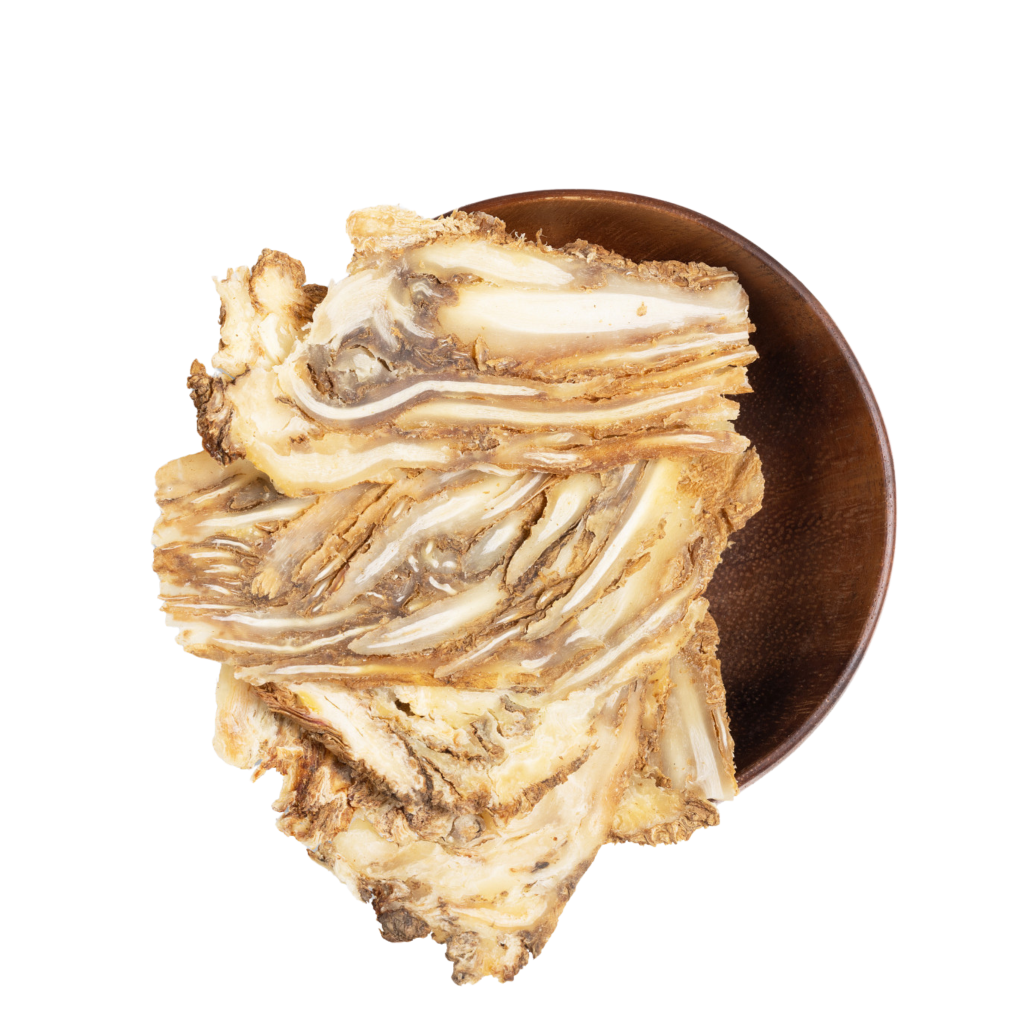
Angelica Sinensis Root – Dang Gui (Dong Quai) | Premium Raw Herb
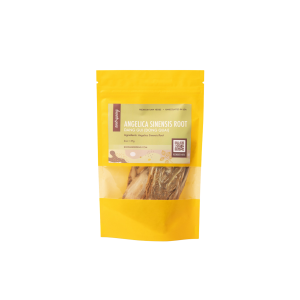
Angelica Sinensis Root – Dang Gui (Dong Quai) is premier blood-building herb in TCM and is commonly used to addresses menstrual flow issues. Amount: 2oz / 57g.
Read moreIn stock
$7.95 USA Shipping • $200 FREE Shipping • 90-Day Hassle-Free Returns
Angelica Sinensis Root – Dang Gui (Dong Quai) is premier blood-building herb in TCM and is commonly used to addresses menstrual flow issues. Amount: 2oz / 57g.
Read moreIn stock
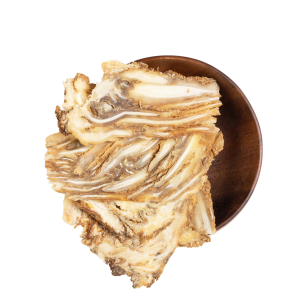
Angelica Sinensis Root – Dang Gui (Dong Quai) has a long history of use in Traditional Chinese Medicine and is arguably the most important gynecological herb in the Chinese medica. Although it has no specific hormonal action, it is widely used to regulate menstrual processes when they are out of balance, to alleviate menstrual pain, to ease older women into menopause, and as support for young women approaching the age of menarche.
More generally speaking, it is a warming, nutritive herb that helps to “build blood and yin” and may be indicated for use with symptom patterns that include: anemia, pale complexion, brittle nails, dizziness, insomnia with excessive dreaming, and palpitations.
Potential uses for Dang gui may include:
This is a warming herb– so pay attention to how your body reacts to it and adjust the dosage downward (or temporarily discontinue use) if it is heating you up too much.
| Attributes | Value |
|---|---|
| Weight | 4 oz |
| Made In |
USA |
| Product Types |
Raw Herb |
Simmer approximately 15 grams of the raw root per pint of water for 20-60 minutes. Do not let the water come to hard boil (this will destroy many of the constituents you want in the decoction). Discard the leftover plant material and drink the remaining liquid. This will keep for approximately 48 hours in the fridge before losing its medicinal efficacy.
5-15g in decoction.
Amount: 2oz / 57g

Sorry, no reviews match your current selections
🌿
Have questions on choosing the right formula?
Consider booking a 30-minute Herbal Consultation with our Certified Clinical Herbalist, John Anthony Bright.