Shu Di Huang
English Name: prepared or cooked rehmannia
Literal Translation: “cooked earth yellow”
Pharmaceutical Name: Radix Rehmanniae Preparata
Medica Category: Blood-Tonifying Herbs
Properties: Shu Di Huang enters the Liver and Kidney channels; it is sweet in nature and slightly warm in temperature.
What is Shu Di Huang?:
The Chinese Herb Shu Di Huang is the dried root of the rehmannia plant (Rehmannia glutinosa Libosch) that has been soaked in millet wine, steamed until black, and dried again to be used for medicine.
Traditional Chinese Medicine (TCM) Therapeutic Actions of Shu Di Huang:
Shu Di Huang greatly nourishes and builds blood and is widely used as the chief herb in many Chinese herbal formulas that tonify blood (e.g. Si Wu Tang (Four Substances Decoction) and Ba Zhen Tang (Eight Treasures Decoction)). Basic clinical presentation of blood deficiency presents with such symptoms as: pale, sallow complexion, anemia, dizziness, palpitations, and insomnia. Additionally, it is a fundamental herb for maintaining women’s health and is very commonly prescribed to address irregular menstruation that is rooted in blood deficiency. Shi Di Huang also addresses gestational issues (such as restless fetus and habitual miscarriage) as well as postpartum complications arising from blood deficiency.
Shu Di Huang greatly tonifies yin of the Kidney (yin jing) as well as Liver Yin to address a wide variety of clinical presentations that include such symptomology as: weakness/soreness of the lower back and knees, tinnitus, dizziness, vertigo, diminished hearing, tidal fever, and night sweats. (See the formula Liu Wei Di Huang Wan (Six Flavor Rehmannia) and its relatives and the formula Da Bu Yin Wan (Great Tonify the Yin Pill) to get a good idea of the specific symptoms that Shu Di addresses in formulas that tonify yin).
Shu Di Huang strongly tonifies the yin and is used to treat xiao ke (wasting and thirsting syndrome) and polyuria.
–safety/clinical notes:
Shu Di Huang has a rich and cloying nature and may cause/exacerbate blood stagnation if used incorrectly/inappropriately (i.e. in the absence of blood deficiency). For the same reason it should be used with caution in those with Spleen/Stomach deficiency.
Shu Di Huang and Sheng Di Huang (unprepared/fresh rehmannia) have different properties and actions. While Sheng Di Huang does tonify yin and blood to a degree, it is used primarily to cool heat in the blood that is injuring body fluids. By contrast, Shu Di Huang is slightly warming and used primarily to tonify jing (essesnce), yin, and blood when they are deficient.
Products Containing Tag: Shu Di Huang – Prepared Rehmannia – Radix Rehmanniae Preparata
-
Plum Flower – An Shui Teapills (An Shui Wan)
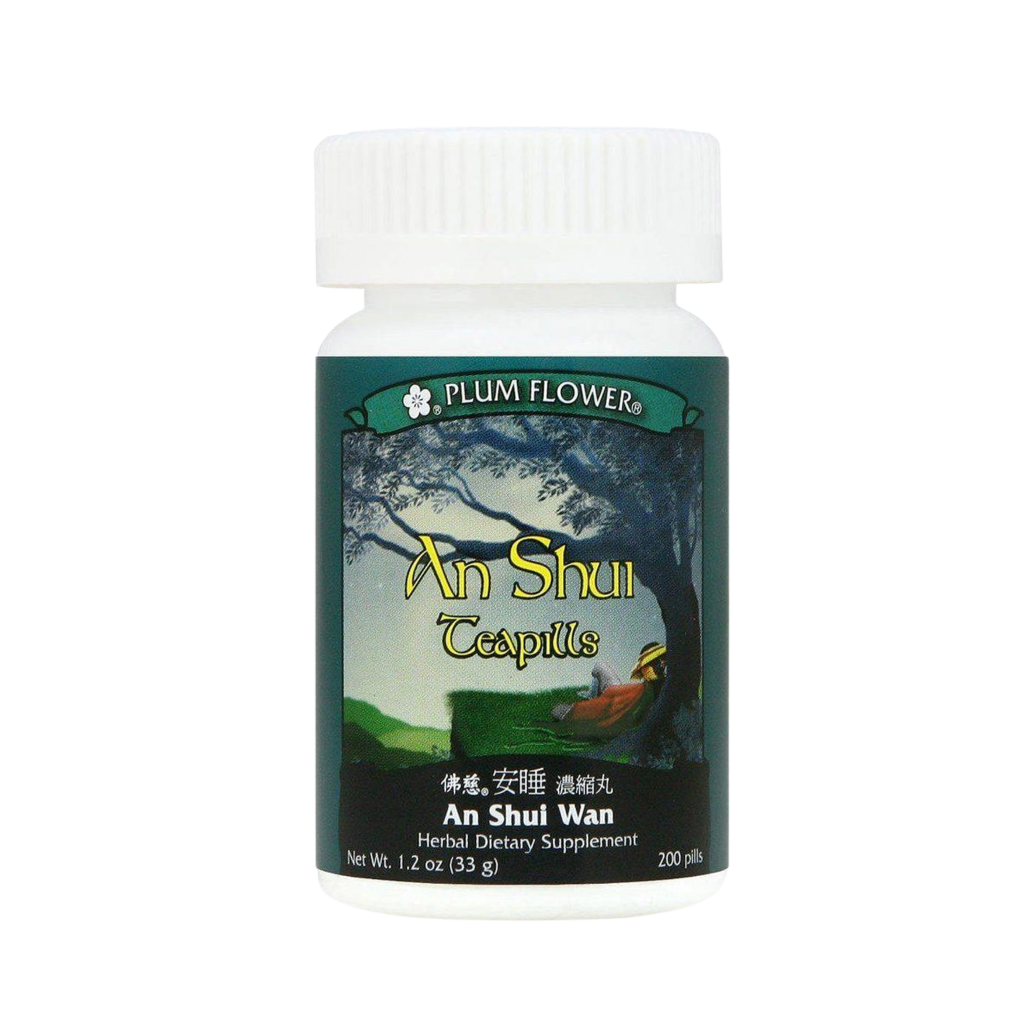 Add to Cart$34.13
$44.80 -
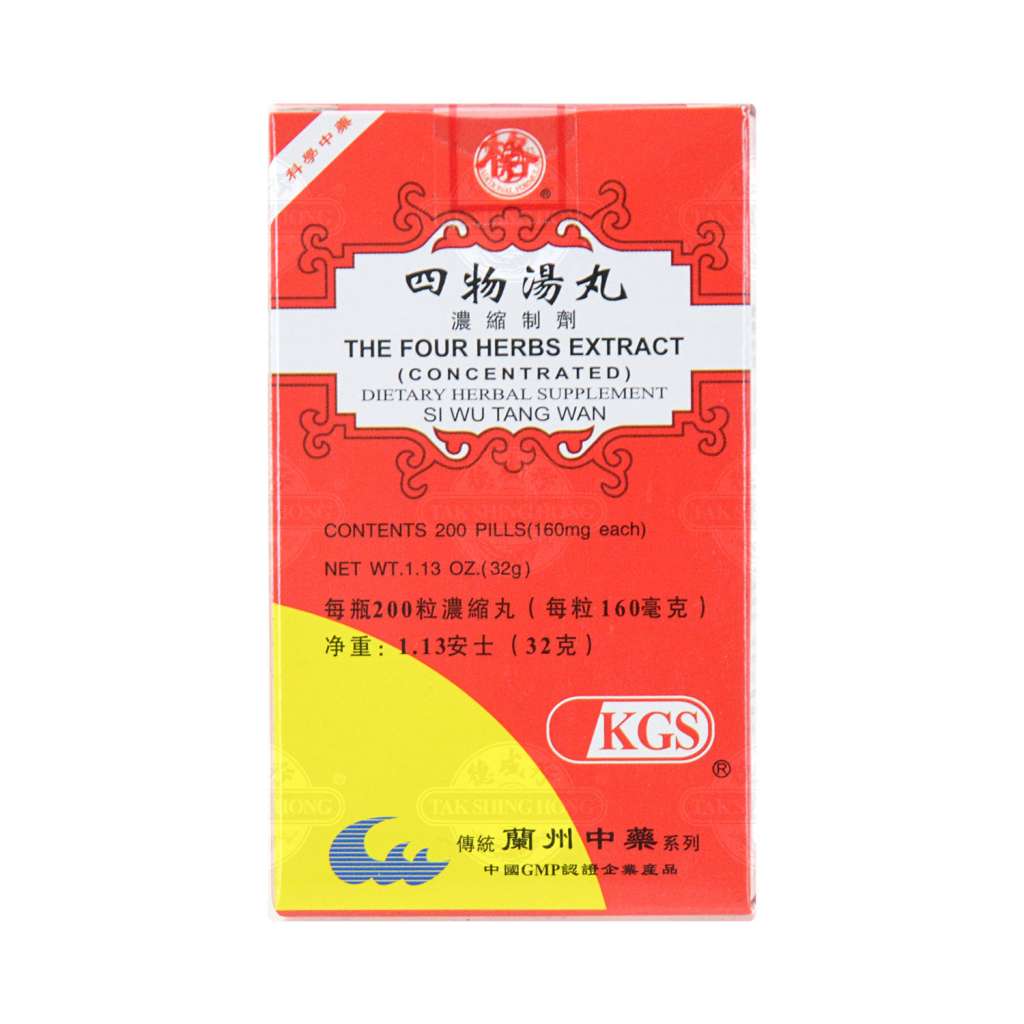
Si Wu Tang Wan – The Four Herbs Extract – Lanzhou Traditional Herbs (KGS)
 Add to CartStarting at $7.89
 -
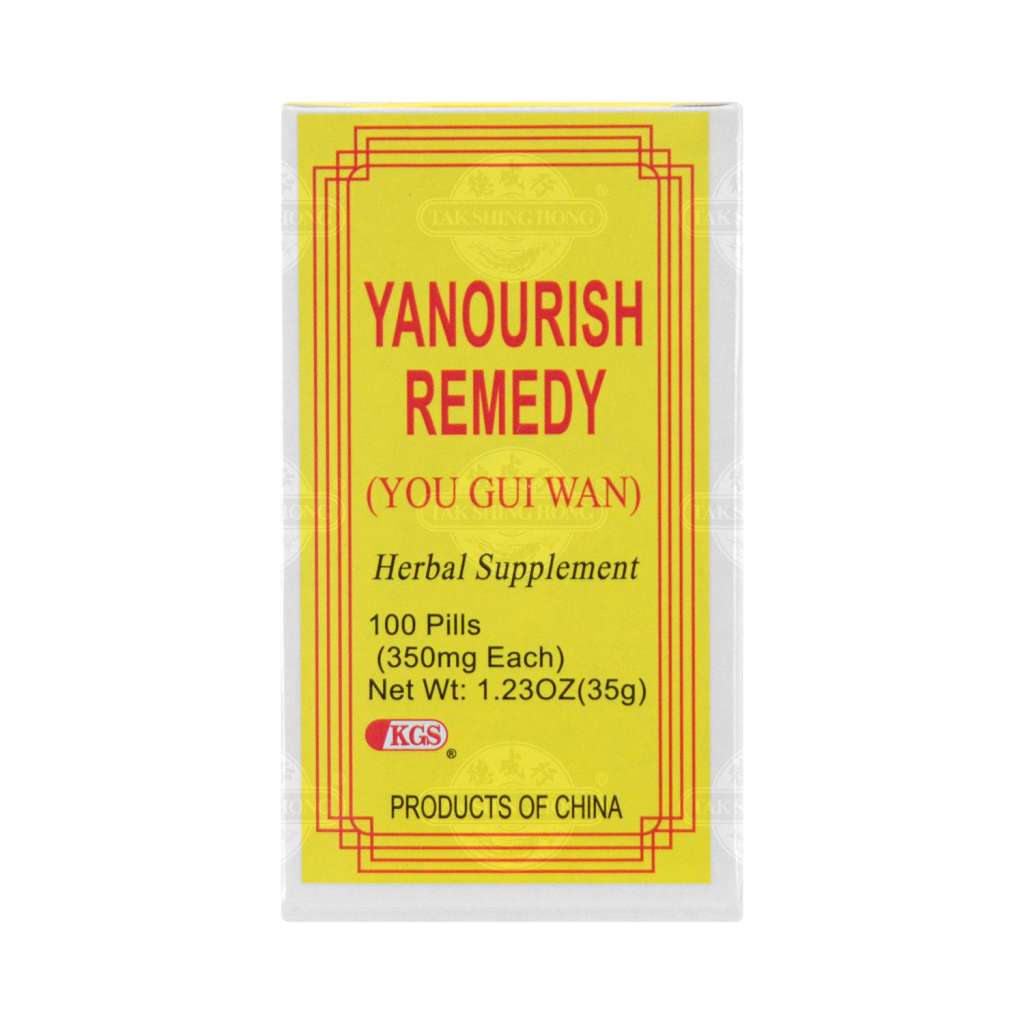
You Gui Wan – Yanourish Remedy
 Add to CartStarting at $8.99
 -
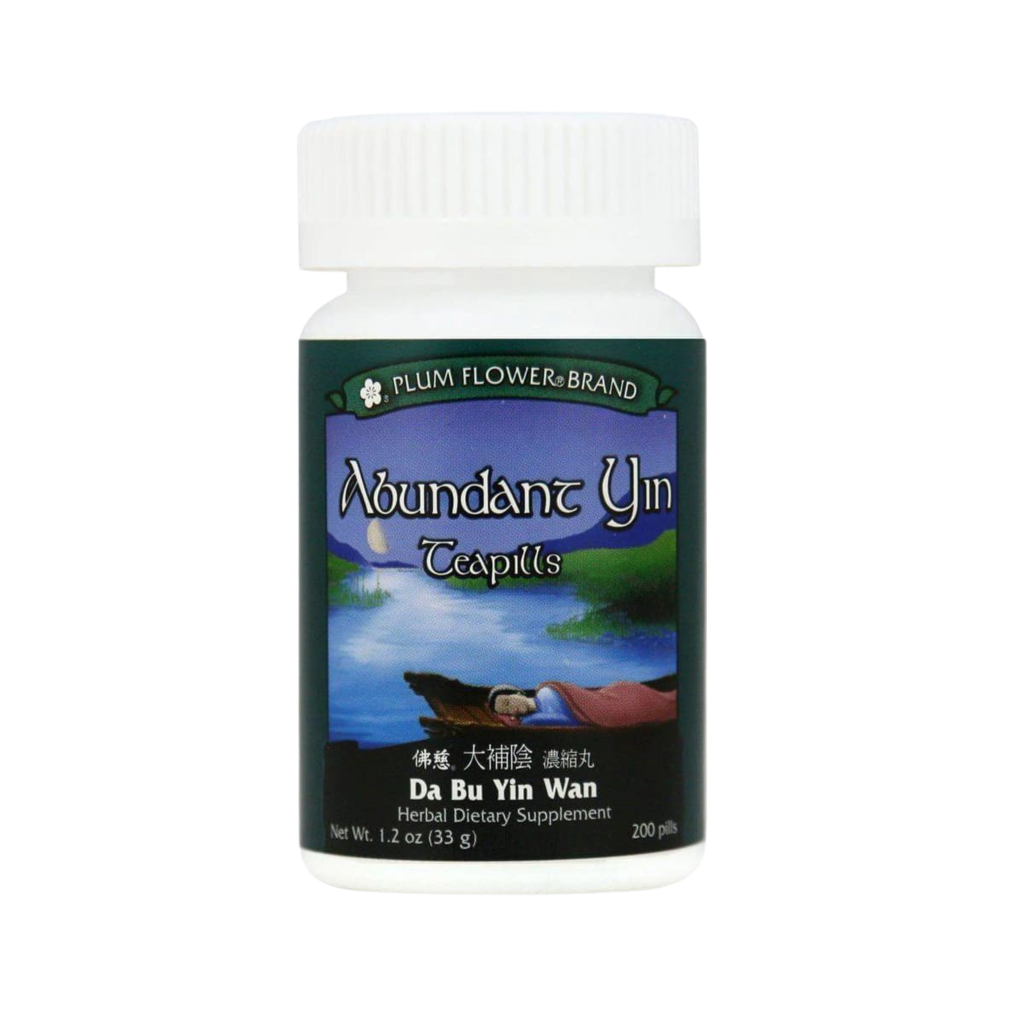
Plum Flower – Abundant Yin Teapills (Da Bu Yin Wan)
 Add to Cart$21.23
$27.90 -
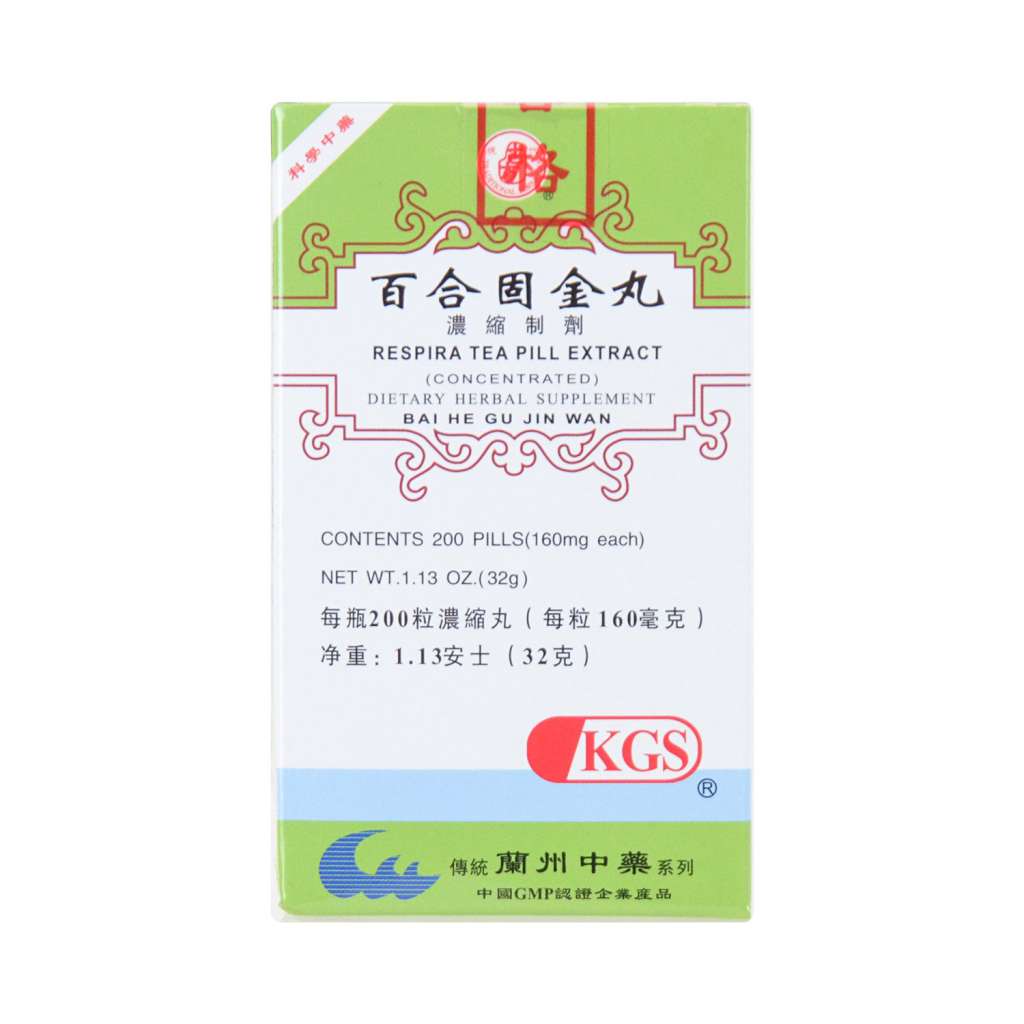
Bai He Gu Jin Wan (Respira Teapill) – Lanzhou Traditional Herbs (KGS)
 Add to CartStarting at $7.89
 -
Min Shan – Six Flavor Teapills (Liu Wei Di Huang Wan) – (OUT OF STOCK)
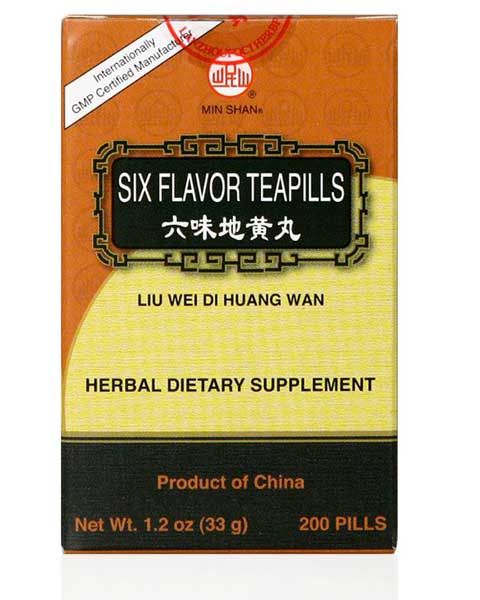 Add to Cart$14.63
$19.20 -
Min Shan – Ming Mu Di Huang Wan – (OUT OF STOCK)
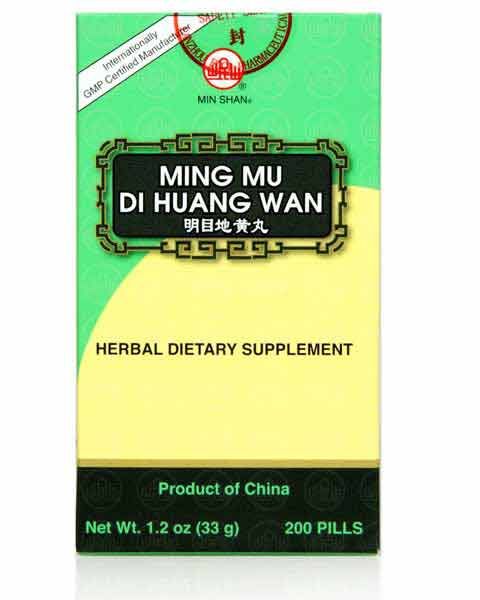 Add to Cart$14.63
$19.20 -
Plum Flower – Replenish The Root Teapills – Gu Ben Wan
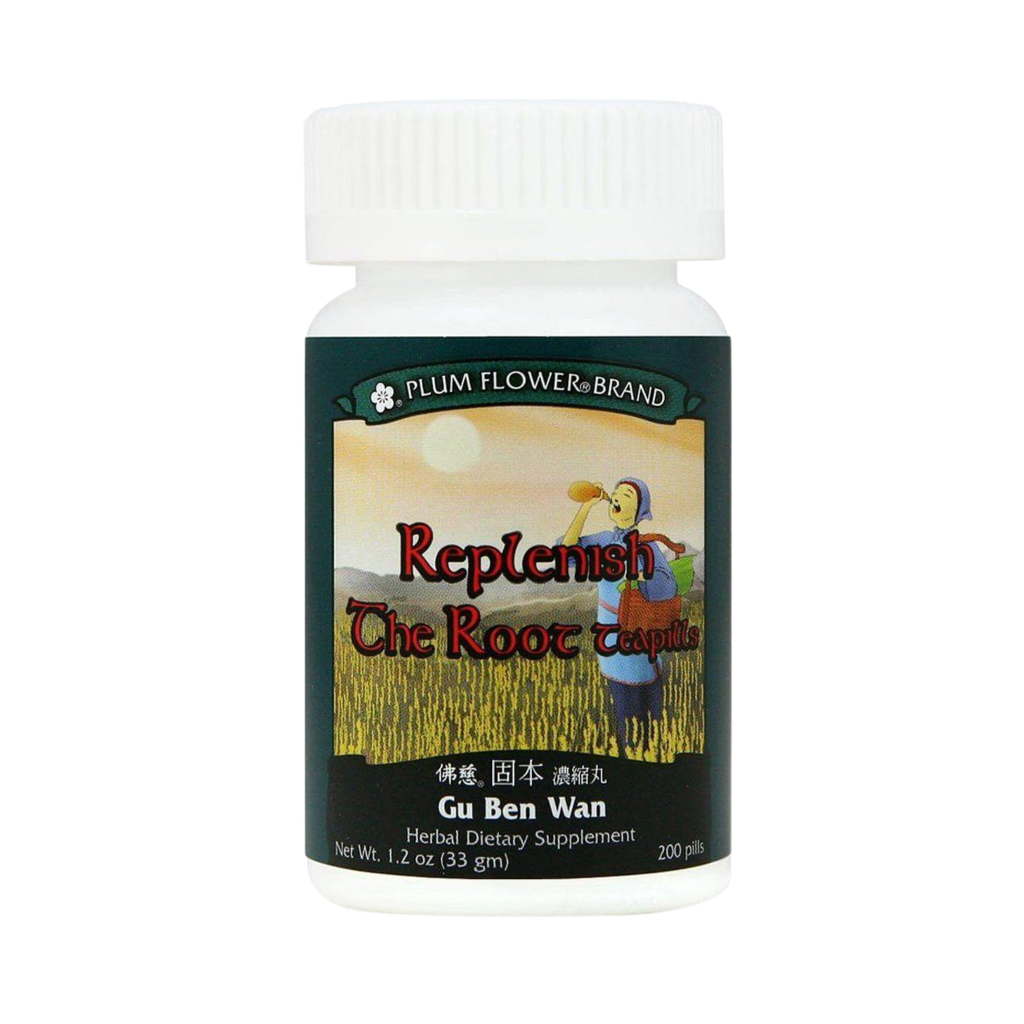 Add to Cart$20.13
$26.50 -
Plum Flower – Gecko Tonic (Ge Jie Da Bu Wan)
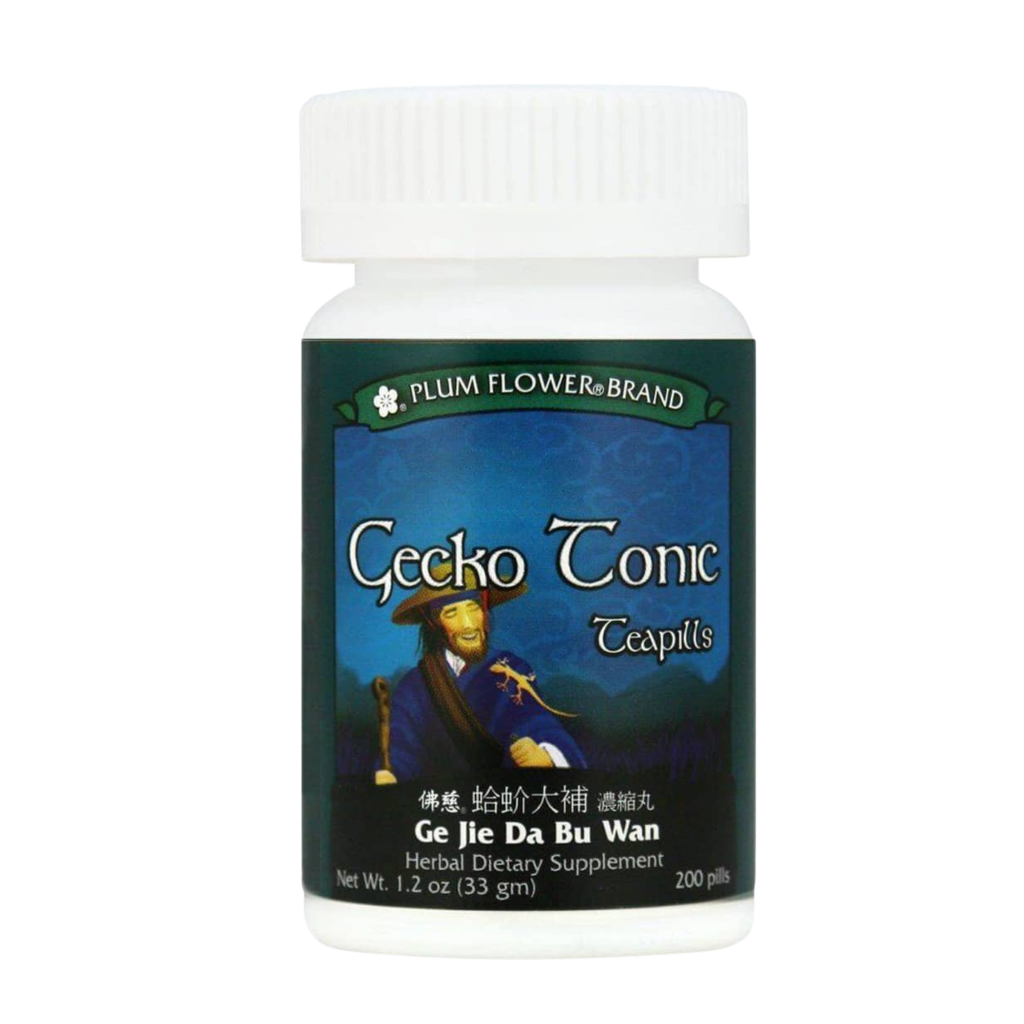 Add to Cart$23.13
$30.30 -
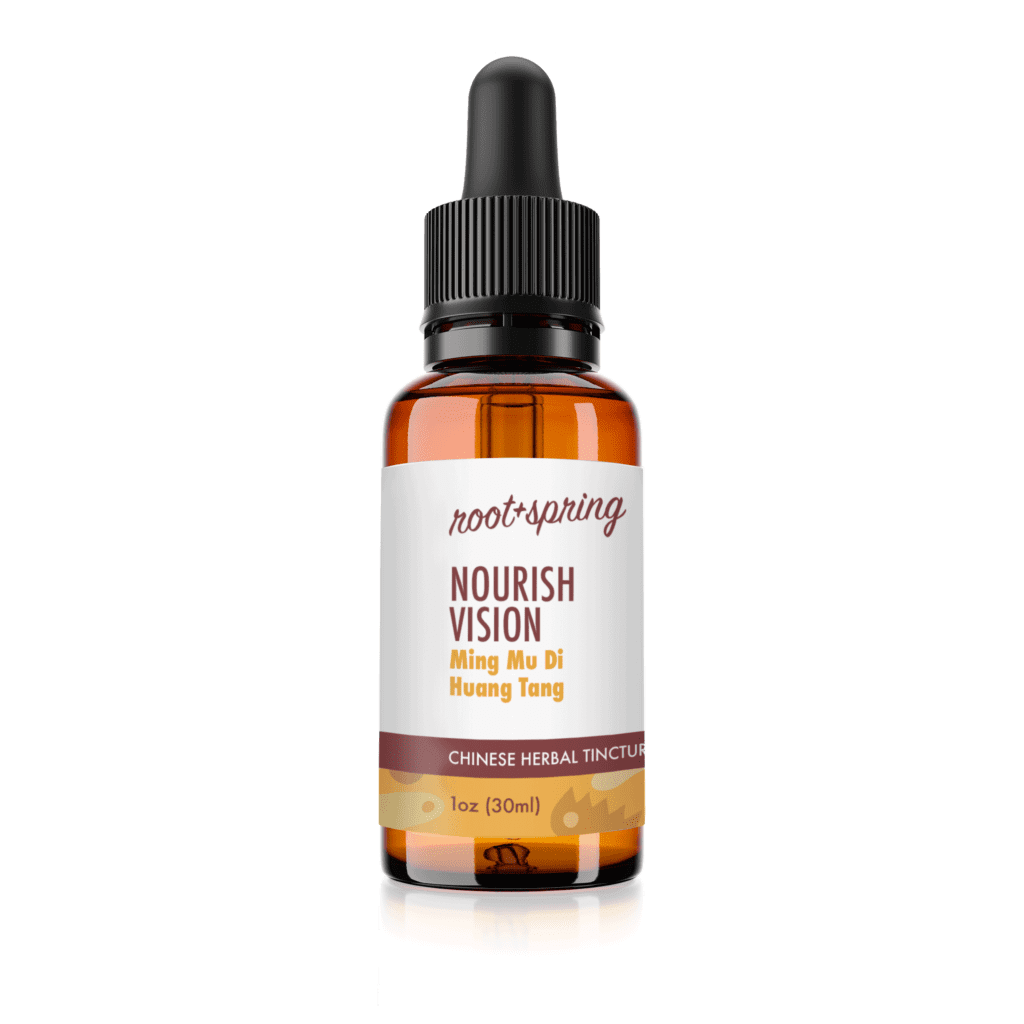
Ming Mu Di Huang Tang (Nourish Vision) – Liquid Extract (Tincture)
 Add to CartStarting at $14.00