


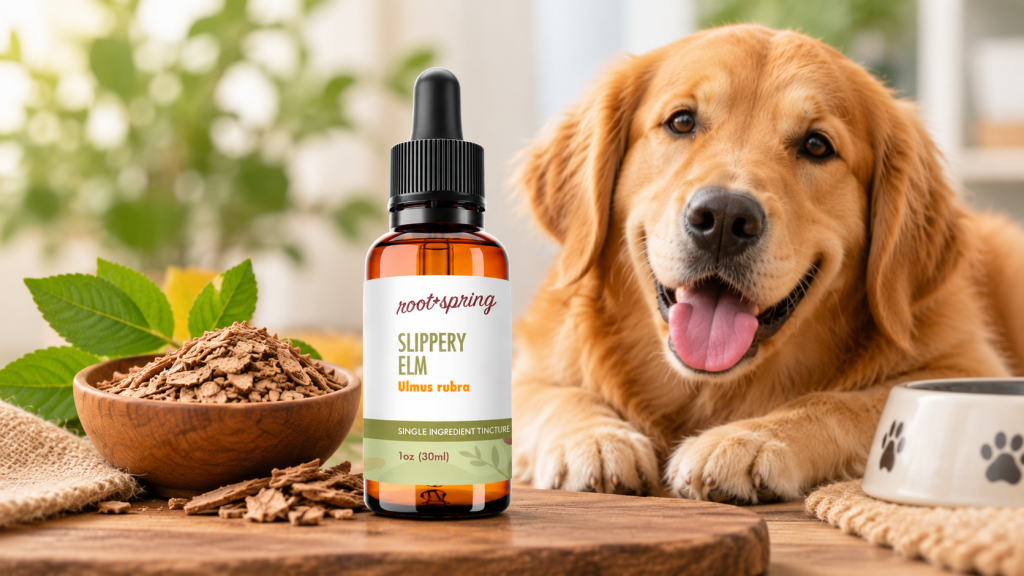
Slippery Elm for Dogs: Uses, Dosage and Digestive Benefits
Disclaimer: This article discusses herbal formulations originally developed for humans. Because dogs and other pets process herbs differently, dosing isn’t simply a matter of scaling down by weight. It’s worth checking with your vet before trying any of these with your dog or pet, especially if they’re on medication, pregnant, elderly, or managing a health condition. This content is meant for general education, not as veterinary advice.
Key Takeaways:
- Mucilage May Coat and Soothe: Slippery elm’s mucilage forms a gel-like layer in the digestive tract that may help ease occasional stomach irritation and support gut comfort in dogs.
- Dosage Varies by Individual Dog: There is no universal dose for slippery elm in dogs. Weight, age, health status, and supplement concentration all factor in, making veterinary guidance a necessary first step.
- Product Purity and Prep Matter: Slippery elm is generally well tolerated, but product quality and correct preparation are essential. Puppies, pregnant dogs, and pets on medication all require veterinary clearance before use.
Slippery elm for dogs is a natural herbal option traditionally used to support digestive health. The herb’s soothing properties may help ease occasional stomach irritation and promote digestive comfort.
At Best Chinese Medicines, we specialize in traditional herbal medicine, offering carefully selected herbal products that support natural wellness for people and pets. Rooted in centuries of Traditional Chinese herbal knowledge, our selection spans supplements, teas, tinctures, and time-tested formulas covering a wide range of wellness needs for people and pets.
We’ll cover the uses, digestive benefits, recommended dosage considerations, and safety of slippery elm for dogs.
What Is Slippery Elm Bark for Dogs?
Slippery elm bark for dogs comes from the inner bark of the Ulmus rubra tree, native to North America. The inner bark contains mucilage, a natural substance that develops a gel-like consistency when mixed with water. This coating may help soothe irritated digestive tissues and provide temporary comfort during occasional gastrointestinal upset.
Slippery elm is commonly available in powders, capsules, and herbal preparations intended for digestive support. Products carried by Best Chinese Medicines are formulated for human use. Dosage and preparation will differ for pets and should always be confirmed with a veterinarian.
Benefits of Slippery Elm for Dogs
Slippery elm is traditionally used to support gastrointestinal comfort. The herb’s mucilage content may help soothe the digestive tract during occasional irritation, with potential benefits including easing mild stomach discomfort and helping maintain digestive wellness. Pet owners interested in a broader look at herbal options for animals can read more in Best Chinese Medicines for Dogs.
May Coat and Calm Irritated Tissues
Mucilage is slippery elm’s most studied compound. When combined with water, it forms a slick, gel-like substance that lines the digestive tract, potentially reducing friction and irritation. This gentle coating effect may ease discomfort following occasional dietary changes or bouts of stomach upset in dogs.
A Natural Option for Occasional Diarrhea
Slippery elm for dog diarrhea is one of the most common reasons pet owners turn to this herb. The mucilage may help soothe inflamed intestinal tissues and offer temporary relief during mild bouts of loose stool. Persistent or bloody diarrhea always warrants immediate veterinary evaluation.
Supports General Intestinal Comfort
The herb acts as a natural demulcent, meaning it coats and soothes mucous membranes, which helps support the mucosal lining of the gut. Dogs prone to occasional digestive sensitivity may experience more consistent comfort with appropriate herbal support and veterinary oversight.
Slippery Elm for Dogs Dosage and Preparation
Determining the right slippery elm for dogs dosage requires considering the dog’s weight, age, health condition, and supplement concentration. A standardized, scientifically established dosage for dogs has not yet been defined, so a veterinarian can recommend an appropriate amount and frequency based on individual needs. Slippery elm powder is commonly mixed with water to form a smooth slurry, though preparation methods vary by product, making professional guidance important before administration.
How to Give Slippery Elm to Dogs
Slippery elm is administered as a prepared slurry or through veterinarian-approved supplements. Slippery elm may affect the absorption of oral medications, so veterinarians may recommend administering it separately from prescribed treatments:
- Start With Veterinary Guidance: Before introducing any herbal supplement, consult your veterinarian. A professional assessment ensures the supplement is appropriate for your dog’s specific health needs, age, and any medications already in use. Skipping this step can lead to unintended interactions.
- Prepare the Slurry Correctly: Slippery elm powder is most commonly mixed with water to create a smooth, gel-like consistency. The mixture should be lump-free and thin enough to swallow comfortably. A well-prepared slurry is easier for dogs to tolerate and tends to be more effective.
- Mix With Food When Appropriate: A properly prepared slurry can often be stirred into a small portion of wet food to ease administration. This tends to work especially well for dogs reluctant to take supplements on their own. A strongly flavored wet food can help mask any taste and improve acceptance.
- Administer Separately From Medications: Slippery elm’s mucilage may slow the absorption of oral medications when given at the same time. Timing administration at least one to two hours apart from any prescribed treatments helps maintain medication efficacy. Always confirm timing recommendations with your vet.
For pet owners curious about the broader role of traditional herbs in animal wellness, our content on Pet Care Chinese Herbal Medicine covers supportive herbal approaches for animals.
Is Slippery Elm Safe for Dogs?
Slippery elm is generally considered well tolerated when appropriately prepared and administered, though comprehensive canine safety research remains limited. Products made with pure slippery elm inner bark and minimal additives reduce the risk of adverse effects.
Puppies, pregnant dogs, and pets with existing medical conditions require veterinary approval before use. Slippery elm should complement appropriate veterinary care and never substitute for medical evaluation or prescribed treatment, especially when digestive symptoms persist or worsen.
Final Thoughts
Slippery elm for dogs may offer gentle digestive support by soothing occasional stomach irritation and promoting intestinal comfort. The natural mucilage content makes it a popular herbal option for pet owners seeking complementary digestive care. Proper preparation, appropriate dosage, and product quality all play a role in how well it works.
Always consult a veterinarian before introducing slippery elm into your dog’s routine, especially when digestive symptoms persist or your pet has an existing health condition. At Best Chinese Medicines, we believe in the power of traditional herbal knowledge to support holistic wellness at every stage of life, for people and pets alike.
Frequently Asked Questions About Slippery Elm for Dogs: Uses, Dosage and Digestive Benefits
Can dogs take slippery elm every day?
Daily slippery elm for dogs use should only occur under veterinary supervision. Long-term supplementation hasn’t been thoroughly studied in dogs, so regular use should depend on your pet’s individual health needs and your veterinarian’s recommendations.
Can slippery elm help dogs with constipation?
Slippery elm contains mucilage, which may help lubricate digestive contents. However, evidence supporting its effectiveness for canine constipation is limited. A veterinarian should evaluate persistent constipation to identify possible underlying causes.
Can slippery elm be given to senior dogs?
Senior dogs may use slippery elm with veterinary approval. Older pets often have additional health considerations, including medications and chronic conditions, that may influence the suitability of herbal supplements.
Can slippery elm be mixed with dog food?
Slippery elm preparations may be mixed with dog food if recommended by a veterinarian. Mixing a properly prepared slurry into a small portion of food may make administration easier, particularly for dogs reluctant to take supplements.
Does slippery elm help dogs with acid reflux?
Slippery elm’s mucilage may temporarily coat irritated digestive tissues, but its effectiveness for acid reflux in dogs hasn’t been established through reliable clinical studies. Dogs showing frequent regurgitation or swallowing difficulties require veterinary evaluation.
Can dogs be allergic to slippery elm?
Although allergic reactions to slippery elm are not well documented in dogs, sensitivity to herbal ingredients is possible. Stop administration and contact your veterinarian if your dog develops itching, swelling, or other unusual symptoms.
Can slippery elm be combined with probiotics for dogs?
Slippery elm and probiotics serve different digestive support purposes. They may be used within the same veterinary care plan, but their combined effectiveness has not been well studied. Consult your veterinarian before introducing multiple supplements.
How should slippery elm powder be stored?
Store slippery elm powder in a tightly sealed container in a cool, dry location away from moisture and direct sunlight. Follow the manufacturer’s storage instructions and expiration date to maintain product quality.
Is slippery elm suitable for dogs with sensitive stomachs?
Slippery elm may be considered for dogs with occasional digestive sensitivity, but individual responses vary. Dogs with recurring stomach problems should receive veterinary assessment before using herbal supplements, particularly if symptoms interfere with eating or normal activity.
Sources:
- Pesch L. (2014). Holistic pediatric veterinary medicine. The Veterinary clinics of North America. Small animal practice, 44(2), 355–366. https://doi.org/10.1016/j.cvsm.2013.11.003
- “Slippery Elm.” Memorial Sloan Kettering Cancer Center, Integrative Medicine herb monograph. https://www.mskcc.org/cancer-care/integrative-medicine/herbs/slippery-elm
Recommended Products
-
 Yunnan Baiyao Capsules (Jiaonang) – For Humans and Pets
Starting at $10.00
Add to CartSelect options
This product has multiple variants. The options may be chosen on the product page
-
Sale!
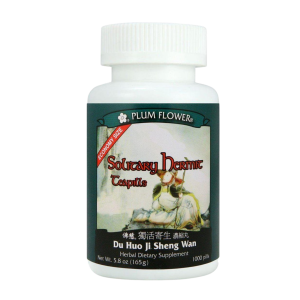 Plum Flower – Solitary Hermit Teapills (Du Huo Ji Sheng Wan)
Starting at $24.33
Add to CartSelect options
This product has multiple variants. The options may be chosen on the product page
-
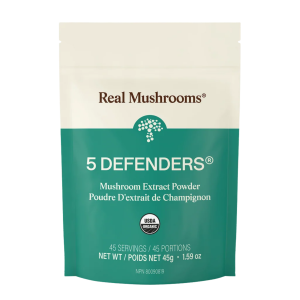 5 Defenders Mushroom Powder by Real Mushrooms
$39.95
Add to CartAdd to cart
-
 Reishi 415 Mushroom Powder – by Real Mushrooms
$39.95
Add to CartAdd to cart