



Signs Your Senior Dog Is in Pain: A Vet-Reviewed Checklist
Disclaimer: This article discusses herbal formulations originally developed for humans. Because dogs and other pets process herbs differently, dosing isn’t simply a matter of scaling down by weight. It’s worth checking with your vet before trying any of these with your dog or pet, especially if they’re on medication, pregnant, elderly, or managing a health condition. This content is meant for general education, not as veterinary advice.
Key Takeaways:
- Joint Stiffness Is Often the First Clue: Senior dogs with arthritis frequently show stiffness after rest, hesitation on stairs, or reluctance to jump onto familiar surfaces. These early movement changes are easy to dismiss as normal aging but deserve a closer look.
- Veterinary Care Makes a Measurable Difference: A vet can pinpoint what’s behind your dog’s discomfort and shape a treatment plan tailored to their age, size, and overall health. Early intervention often opens the door to more options.
- Daily Habits Shape Long-Term Comfort: Weight management, short controlled walks, joint-friendly home adjustments, and vet-approved complementary wellness options can all help keep your senior dog moving more comfortably day to day.
As dogs age, joint pain and stiffness can make everyday movements difficult. Recognizing senior dog arthritis symptoms early helps pet owners address discomfort before it worsens and keeps aging dogs moving more comfortably.
At Best Chinese Medicines, we specialize in traditional Chinese herbal products and holistic wellness solutions for people and pets. Rooted in centuries of Traditional Chinese Medicine principles, our formulas are sourced from reputable manufacturers and held to consistent standards for quality and safety. That same commitment extends to every recommendation we share.
Here, you’ll find the most common signs of arthritis in senior dogs, behavioral changes to monitor, and practical ways to keep them comfortable.
Common Senior Dog Arthritis Symptoms to Watch For
Signs of arthritis in senior dogs often develop gradually, making them easy to confuse with normal aging. Watch for these movement and behavior changes:
- Difficulty rising after rest: Dogs with joint pain often struggle to push themselves up after lying down, shifting weight several times before standing. This tendency typically worsens after long periods of inactivity or during colder months.
- Hesitation before stairs or jumping: A dog who once bounded upstairs or into the car may start pausing, refusing, or finding alternate routes. This reluctance reflects the stress that loaded movement places on inflamed joints.
- Slower pace and shorter strides: A gradual drop in walking speed, reduced distance, or early tiring during routine outings can point to joint discomfort. Dogs often shift to gait patterns that reduce pressure on the most affected areas.
- Limping or weight-shifting: Some dogs redistribute their weight to spare painful joints or develop a limp that comes and goes. A limp that shifts between limbs warrants timely veterinary attention.

Physical Signs of Arthritis in Senior Dogs
Beyond movement, physical changes in the body can also point to joint stress. Common signs of arthritis in senior dogs include:
- Sensitivity around specific joints: Dogs may flinch, pull away, or vocalize when touched near an arthritic joint. Regular, gentle handling helps owners notice these reactions before they become more pronounced or harder to manage.
- Muscle loss around affected limbs: As dogs reduce activity to manage pain, the muscles surrounding affected joints can shrink. Visible asymmetry between limbs or a general reduction in muscle definition often appears gradually over weeks.
- Postural changes and resting difficulty: A dog that repositions frequently, struggles to settle, or consistently avoids certain postures may be managing joint discomfort. Shortened strides and altered gait often accompany these patterns.
For pet owners curious about traditional wellness approaches, Yunnan Baiyao for Dogs covers its traditional uses and important safety considerations to keep in mind. Yunnan Baiyao has not been established as an arthritis treatment, and like all our products, it’s formulated for human consumption. Therefore, dosage and suitability for your dog should be confirmed with your veterinarian beforehand.

How to Tell if Your Senior Dog Is in Pain
Observing your dog’s daily routines can surface discomfort that physical exams alone might miss. Watch for these behavioral signals:
- Excessive licking or chewing: Persistent attention to a specific joint, paw, or limb can indicate localized discomfort. When this repeatedly targets the same area, that pattern deserves veterinary attention.
- Reluctance to be touched: Areas that were previously fine may become sensitive as joint pain increases. A dog that pulls away, tenses, or vocalizes during routine handling may be guarding a painful spot.
- Mood and behavioral shifts: Irritability, reduced playfulness, and withdrawal from social interaction can all accompany chronic pain. A normally engaged dog going quiet is a signal that deserves a closer look.
Keeping a simple daily log of movement patterns, appetite, rest quality, and mood gives your vet valuable context for evaluating pain levels and adjusting care.
For owners interested in general pet wellness, Turkey Tail Mushroom for Dogs covers its potential role in digestive wellness and immune support. Research linking it to arthritis or pain relief is limited, so this is best viewed as a digestive health option rather than a joint-focused one. As with all our products, it’s formulated for human consumption, and appropriate dosing for dogs should be confirmed with your vet before use.
My Senior Dog Has Arthritis: What Should I Do?
Many pet owners find themselves searching “my senior dog has arthritis” and wondering where to start. Managing the condition typically requires ongoing veterinary care paired with consistent lifestyle adjustments. A combination of approaches often achieves the best results.
Veterinary Medications
Prescription pain medications, NSAIDs, and joint supplements are commonly used to manage arthritis pain in dogs. Your vet will determine the safest option based on your dog’s age, weight, and health history. Never give human pain medications to dogs, as many are toxic to them even in small amounts.
Acupuncture
Veterinary acupuncture has gained recognition as a complementary approach for dogs with joint pain and mobility challenges. Sessions may help reduce inflammation and ease muscle tension around affected joints. Ask your vet for a referral to a certified veterinary acupuncturist.
Aqua Therapy
Hydrotherapy allows dogs to build muscle strength and maintain range of motion without the stress of full weight-bearing movement. Underwater treadmills and warm water pools are common formats used in veterinary rehabilitation settings.
Massage Therapy
Gentle massage around arthritic joints may help relax surrounding muscles and ease localized tension. Veterinary massage therapists and certified canine rehabilitation practitioners can teach safe at-home techniques suited to your dog’s specific condition.
Complementary Herbal Wellness
Some owners also explore Traditional Chinese Medicine as part of a broader wellness approach. Best Chinese Medicines for Dogs covers traditional herbal options and what pet owners should keep in mind when adding them to a care plan. All products from Best Chinese Medicines are formulated for human consumption, and veterinary guidance on dosage and appropriateness for dogs is essential before starting any supplement.
Always consult your veterinarian before introducing herbal products, particularly if your dog takes prescription medications. Complementary products are most valuable when used alongside proven veterinary care.

Final Thoughts
Catching the signs of arthritis in your senior dog early changes what’s possible. Movement changes, behavioral shifts, and disruptions in daily routine often point to joint discomfort that responds well to consistent, attentive care. Regular veterinary checkups, appropriate pain management, gentle activity, and a comfortable home environment all contribute to a better quality of life for aging dogs.
At Best Chinese Medicines, every product is quality-sourced, grounded in Traditional Chinese Medicine, and chosen with both people and pets in mind. Keep watching, keep checking in with your vet, and know that the attention you give today shapes how well your dog moves tomorrow.
Frequently Asked Questions About Signs Your Senior Dog Is in Pain
Can senior dogs have arthritis without showing obvious pain?
Yes. Some senior dogs hide discomfort and continue their usual activities despite joint inflammation. Subtle changes in facial expressions, body tension, or willingness to be touched may indicate underlying pain.
At what age do dogs typically develop arthritis?
Arthritis can develop at any age, although it becomes more common as dogs grow older. Large breeds, overweight dogs, and those with previous joint injuries may develop arthritis earlier.
Can cold weather make senior dog arthritis symptoms worse?
Cold weather may increase joint stiffness and discomfort in some dogs. Providing warm bedding, maintaining a comfortable indoor temperature, and limiting exposure to extreme cold may help reduce discomfort.
Is arthritis more common in certain dog breeds?
Yes. Larger breeds such as German Shepherds, Labrador Retrievers, and Golden Retrievers may have a higher risk of arthritis if they’ve inherited joint conditions. However, arthritis can affect dogs of any breed or size.
Can arthritis in senior dogs affect their bathroom habits?
Yes. Joint pain may make squatting, lifting a leg, or reaching the usual bathroom area uncomfortable. Some dogs may have accidents indoors because moving outside becomes difficult.
Can arthritis affect a senior dog’s balance?
Arthritis may contribute to unsteady movement when painful joints affect weight distribution. However, balance problems can also indicate neurological, vestibular, or other medical conditions requiring veterinary evaluation.
Can arthritis in senior dogs be completely cured?
Osteoarthritis is a progressive condition without a complete cure. However, veterinary treatment, rehabilitation, and appropriate lifestyle adjustments can help control discomfort and maintain mobility.
Sources:
- PetMD. (n.d.). Dog arthritis treatment: How to help a dog. PetMD. https://www.petmd.com/dog/general-health/dog-arthritis-treatment-how-to-help-a-dog
- Cornell University College of Veterinary Medicine. (n.d.). Osteoarthritis. Riney Canine Health Center. https://www.vet.cornell.edu/departments-centers-and-institutes/riney-canine-health-center/canine-health-topics/osteoarthritis
Recommended Products
-
Sale!
 Triple Joint Relief Tea – by Bravo Tea
Starting at $6.99
Add to CartSelect options
This product has multiple variants. The options may be chosen on the product page
-
Sale!
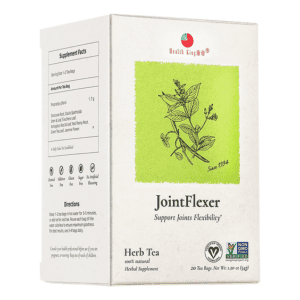 JointFlexer Herb Tea – by Health King
Starting at $7.99
Add to CartSelect options
This product has multiple variants. The options may be chosen on the product page
-
Sale!
 Plum Flower – Three Obstructions (San Bi Wan)
$28.88
$38.00Add to CartAdd to cart