



Dog Hip Dysplasia: Chinese Herbal And Natural Support Options
Disclaimer: This article discusses herbal formulations originally developed for humans. Because dogs and other pets process herbs differently, dosing isn’t simply a matter of scaling down by weight. It’s worth checking with your vet before trying any of these with your dog or pet, especially if they’re on medication, pregnant, elderly, or managing a health condition. This content is meant for general education, not as veterinary advice.
Key Takeaways:
- Early Changes Are Easy to Miss: Hip dysplasia develops gradually before pain becomes visible, which is why recognizing the earliest signs gives owners the most time to act.
- Pattern Guides The Formula: The two most common TCM patterns in hip dysplasia are Kidney deficiency and wind-cold-damp obstruction, each pointing toward a different category of herbal support.
- Puppyhood Management Matters: How a predisposed dog is fed and exercised between four and twelve months directly influences the severity of hip dysplasia as they age.
Your dog runs to the door when you pick up the leash, then stops halfway down the porch steps and looks back at you. That hesitation, that brief moment when enthusiasm meets physical limits, is one of the earliest signs many owners notice in dog hip dysplasia. The condition affects a significant portion of large and giant-breed dogs and can develop well before clinical signs appear.
At Best Chinese Medicines, we believe every dog deserves support that addresses what is happening in the body, not just what is visible on the surface. This guide covers what hip dysplasia is, the factors that accelerate it, and how Traditional Chinese Medicine addresses the underlying patterns that drive pain and mobility loss in affected dogs.
What Hip Dysplasia In Dogs Actually Involves
Hip dysplasia is a developmental condition in which the ball and socket of the hip joint fail to fit together properly. Excessive laxity allows the femoral head to shift partially out of the acetabulum, damaging surrounding cartilage and triggering the secondary osteoarthritis that causes most of the pain owners observe.
Why The Fit Of The Hip Joint Is Everything
A healthy hip joint functions because the femoral head sits securely within the acetabulum. When that fit is shallow or loose, each step loads the joint unevenly, causing cartilage at the socket edges to wear faster than it regenerates. The resulting surface irregularities create a cycle of friction, inflammation, and progressive joint remodeling that cannot be reversed once established.
The Developmental Window When Dysplasia Sets In
Most dogs show the earliest hip laxity during the rapid growth phase between four and twelve months. Bones grow quickly during this period, but supporting muscles and ligaments may lag behind, leaving the joint temporarily vulnerable. High-calorie diets and excessive exercise during this window accelerate mechanical wear on an already predisposed hip.
How Secondary Osteoarthritis Changes The Picture
Once the joint has been repeatedly stressed, the body attempts to stabilize it by forming new bone. These bony changes do reduce laxity over time, but they also narrow joint space, restrict range of motion, and create the chronic pain pattern most commonly associated with hip dysplasia in adult and senior dogs.

Which Dogs Carry The Greatest Risk
Hip dysplasia prevalence is closely tied to genetics, body structure, and growth rate, which is why certain dogs are significantly more likely to develop the condition regardless of the quality of care.
Large and giant breeds, including German Shepherds, Labrador Retrievers, Golden Retrievers, Rottweilers, and Saint Bernards, appear consistently at the top of prevalence data. Medium breeds such as Bulldogs and Pugs also show elevated rates due to body proportions rather than size.
Environmental factors layer on top of genetic risk. High-calorie diets promoting rapid growth, early exposure to slippery surfaces, and repetitive jumping before musculature has fully developed all increase hip laxity in predisposed dogs. Responsible breeders use hip scoring programs to reduce the inherited component, but owners of at-risk breeds benefit from understanding these modifiable factors.
Recognizing Signs Across Different Life Stages
Hip dysplasia presents differently depending on age and the extent of joint changes. Because signs shift as the condition develops, knowing what to look for at each stage helps owners respond earlier and more effectively.
Here are the key signs to recognize by life stage:
- Young Dogs Under Two: Watch for a swaying or bunny-hop gait in the back legs, reluctance to climb stairs, and pain when rising from rest after play.
- Reduced Rear Drive: Dogs with hip involvement often shorten their stride behind and appear to pull themselves forward with their front limbs during walks.
- Muscle Wasting: Progressive atrophy of the hindquarter muscles is a classic finding in dogs with chronic hip dysplasia, as they offload weight from the painful joint.
- Pain On Hip Extension: Discomfort when the hip is fully extended, such as during a veterinary exam or when jumping, is a reliable behavioral indicator of hip involvement.
- Cold Weather Worsening: Dogs whose symptoms reliably increase in cold or damp weather are showing a pattern TCM describes as wind-cold-damp obstruction, which informs formula selection.
- Activity Intolerance: A previously active dog that stops mid-walk or seeks rest more frequently may be managing background pain rather than simply being tired.
Consistent records help your veterinarian distinguish hip dysplasia from other causes of hindlimb weakness. Our overview of Pet Care Chinese Herbal Medicine explains how Chinese medicine interprets these signs holistically and links them to the organ-system patterns underlying each presentation.

Natural Remedies For Hip Dysplasia: What TCM Brings To The Conversation
Traditional Chinese Medicine identifies the specific energetic pattern underlying each dog’s joint dysfunction. The two most common patterns in hip dysplasia are Kidney deficiency and wind-cold-damp obstruction, where pathogenic factors impede circulation in the channels.
Addressing Kidney Deficiency And Bone Weakness
In TCM, the Kidney system governs bone integrity and sinew strength. When Kidney energy depletes with age, structural support around the hip deteriorates more quickly. A classical formula containing pubescent angelica root, taxillus, achyranthes root, prepared rehmannia, white peony root, and ginseng is traditionally used to tonify the Kidney, dispel wind and dampness from the lower body, and help ease pain in the hips and hind limbs. TCM formulas of this type are produced for human use; veterinary guidance is essential for appropriate dosage and suitability for your dog.
Targeting Joint Obstruction With Inflammation-Focused Formulas
Not all presentations of hip dysplasia in dogs follow the same pattern. Some dogs also show noticeable joint swelling and heat alongside their pain. In TCM, this corresponds to a wind-damp bi syndrome in the lower limbs. A formula working through herbs like stephania root, job’s tears, cinnamon twig, and scutellaria is traditionally used to address joint pain and swelling in the lower body and suits both hot and cold presentations of this pattern. TCM herbal formulas in this category are packaged for human consumption, and dosage will differ significantly for dogs.
For Dogs With Deep Aching And Cold Sensitivity
Some dogs with hip dysplasia experience deep, persistent aching in the hindquarters, numbness in the limbs, and pain that reliably worsens in cold conditions without any visible swelling or heat. A classical herbal formula dating to around 1100 AD contains myrrh, frankincense, and prepared aconite, and is traditionally used for this specific pattern. Because aconite is considered slightly toxic in TCM theory, this formula is intended for short-term use only, generally no more than two weeks at a time, and must not be used when heat signs such as redness or swelling are present. It should only be considered under TCM practitioner guidance, and veterinary advice is mandatory before giving any such formula to your dog. For dogs showing joint degeneration alongside this pattern, our guide on The Best Chinese Herbs for Osteoarthritis covers the additional formula categories that may apply.
Dog Joint Supplements And Complementary Support Strategies
Herbal formulas are one component of a broader approach to managing hip dysplasia. Several complementary strategies support a dog with natural remedies for hip dysplasia alongside veterinary care. Maintaining a lean body weight measurably reduces mechanical load on a compromised hip. Swimming and short leash walks preserve muscle mass without creating the repetitive loading that worsens joint surfaces. Orthopedic sleeping surfaces prevent sustained pressure on sore joints. When selecting dog joint supplements to pair with these lifestyle adjustments, our resource on Best Chinese Medicines for Dogs covers TCM formulas suited to canine joint and bone conditions, organized by health category.
Final Thoughts
Dog hip dysplasia has genetic roots and progresses over time, but the quality of life a dog experiences along that journey is shaped by the choices made on their behalf.
At Best Chinese Medicines, we carry a carefully sourced range of TCM formulas grounded in centuries of traditional herbal practice. Our mission is to make those formulas accessible and useful for the dogs and owners who need them.
Always consult your veterinarian before introducing any herbal supplement to your dog’s care plan. When you are ready to explore what TCM can offer, we are here to help.
Frequently Asked Questions About Dog Hip Dysplasia
Can hip dysplasia be confirmed without an X-ray?
No, X-rays are the standard diagnostic tool for confirming hip dysplasia, as clinical signs alone cannot distinguish it from other conditions.
At what age should large-breed dogs be screened for hip dysplasia?
Most orthopedic registries recommend preliminary hip evaluation at one to two years of age, when skeletal maturity is established in large breeds.
Does a dog’s growth rate influence how hip dysplasia develops?
Faster growth rates, often linked to high-calorie diets in puppyhood, place greater strain on developing hip joints and may worsen laxity in predisposed dogs.
Can a dog with hip dysplasia still exercise regularly?
Yes, but exercise should be low-impact and consistent. Swimming and controlled leash walking maintain muscle mass without stressing the hip joint surface.
Is hip dysplasia the same condition in both hips?
Hip dysplasia frequently affects both hips, though the severity often differs between sides, which influences which limb bears more visible lameness.
How does TCM differentiate between hip dysplasia and simple lower back pain in dogs?
TCM pattern diagnosis considers the location of pain, response to temperature, limb strength, and related symptoms rather than relying on a single structural diagnosis.
Recommended Products
-
Sale!
 Plum Flower – Joint Obstruction (Guan Jie Yan Wan)
$25.03
$32.90Add to CartAdd to cart -
Sale!
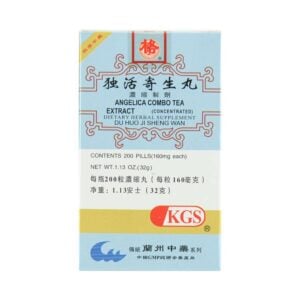 Du Huo Ji Sheng Wan – Angelica Combo Tea Extract – Lanzhou Traditional Herbs (KGS)
Starting at $7.89
Add to CartSelect options
This product has multiple variants. The options may be chosen on the product page
-
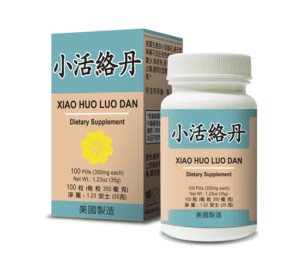 Xiao Huo Luo Dan (Healthy Joint Combo) – by Lao Wei
$11.00
Add to CartAdd to cart