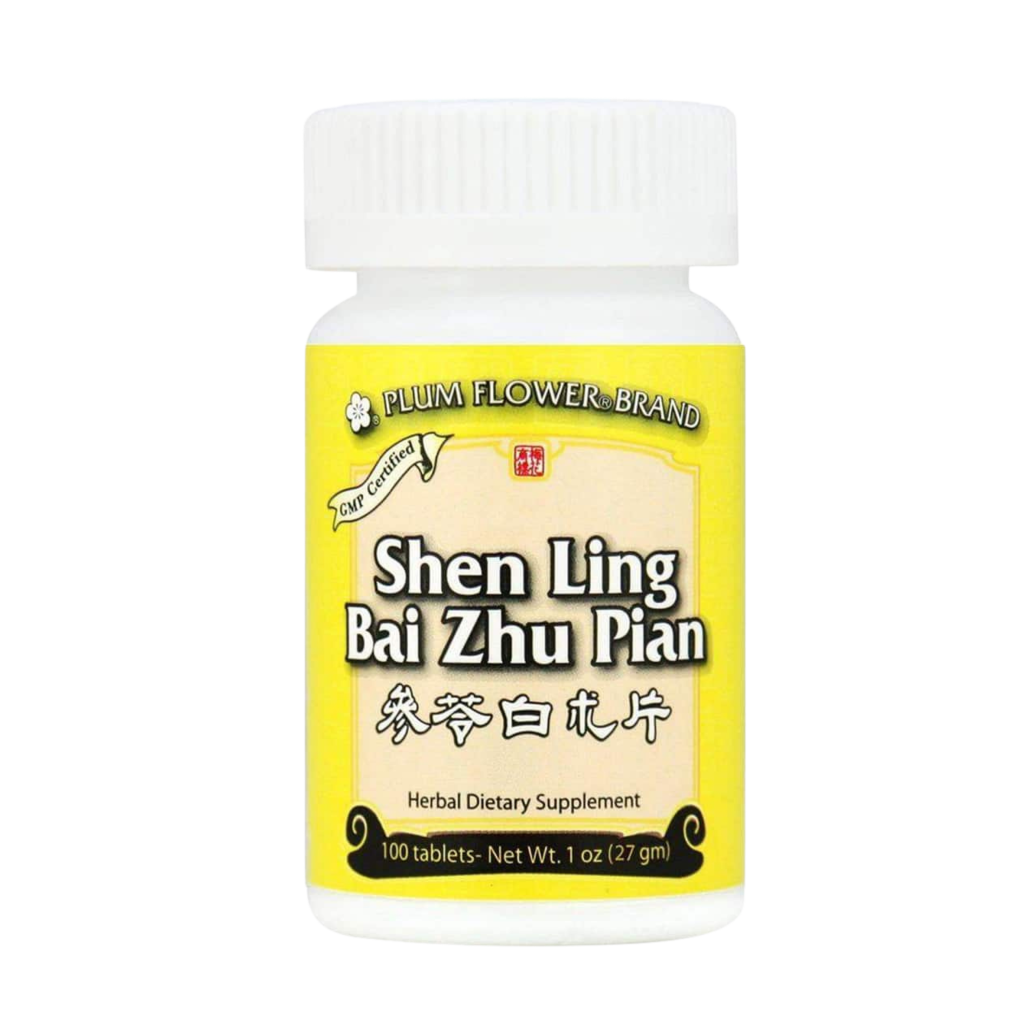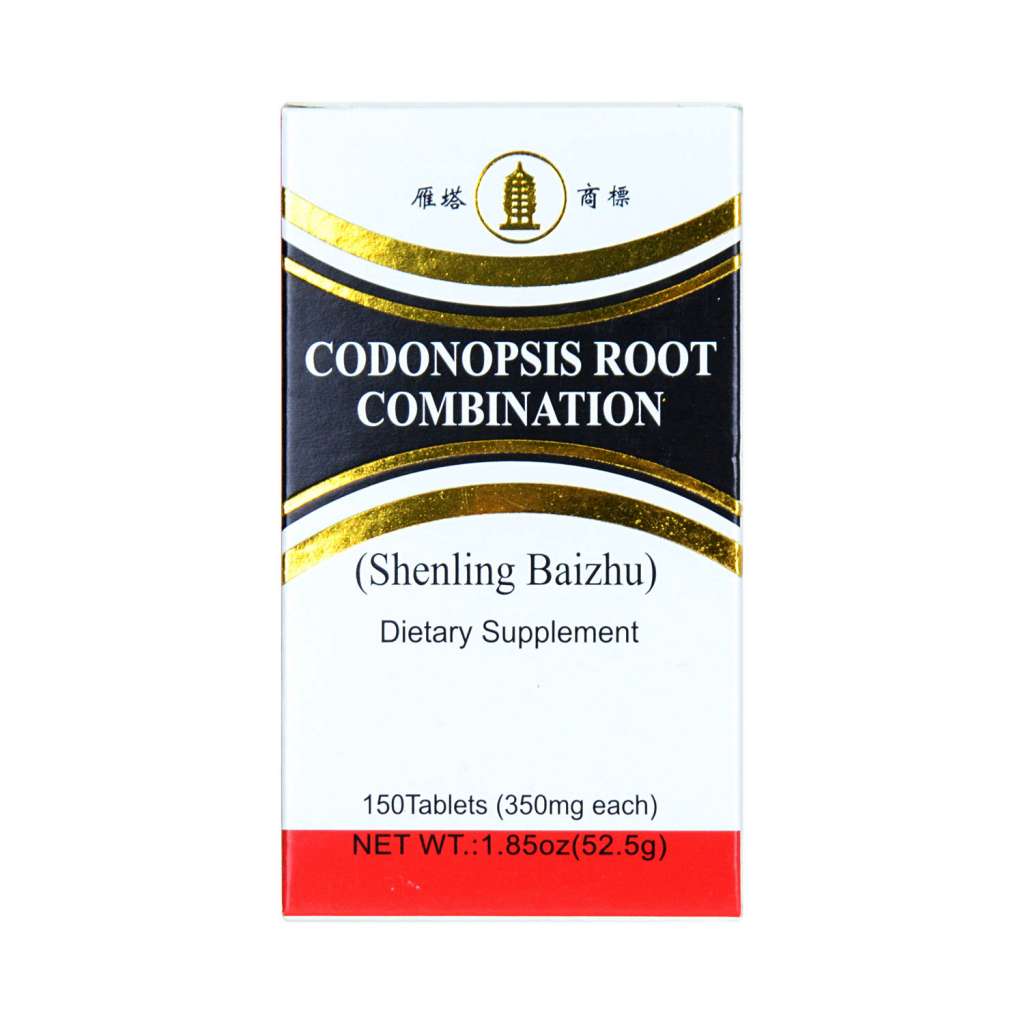

Bai Zhu
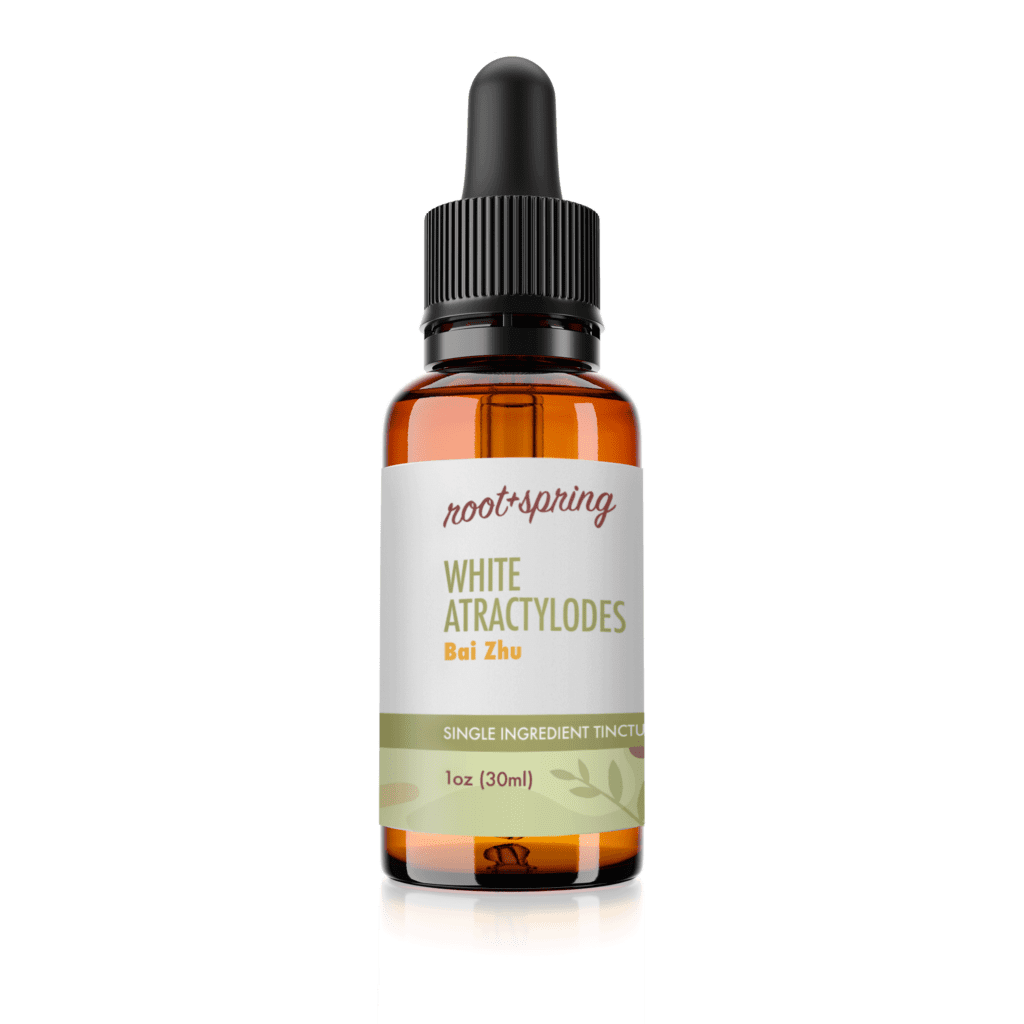
English Name: white atractylodes
Pharmaceutical Name: Rhizoma Atractylodis Macrocephalae
Medica Category: Qi-Tonifying Herbs
Properties: Bai Zhu enters the Spleen and Stomach channels; it is bitter and sweet in nature and warm in temperature.
What is Bai Zhu?:
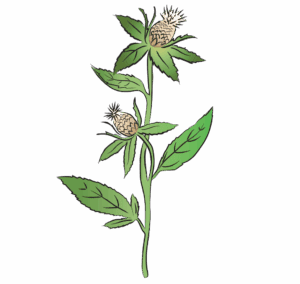
The Chinese Herb Bai Zhu the dried rhizome of the white atracylodes plant (Atractylodes macrocephala Koidz.), a small perennial in the Asteraceae family native to grasslands and forests throughout large areas of China, Japan, and Korea. It flowers in the summer with red-to-purple composite flower heads and then goes to seed as the autumn approaches. The roots, notable for their thickness, are dug up in October, sun-dried or baked, and then soaked in water and sliced for use as medicine.
Traditional Chinese Medicine (TCM) Therapeutic Actions of Bai Zhu:
Bai Zhu tonifies qi and strengthens the Spleen to treat disorders of the Spleen and Stomach caused by qi deficiency. Clinically this presents as shortness of breath, fatigue, sallow complexion, decreased food intake, poor appetite, and loose stools. The tongue is often puffy with teeth marks around the edges and has a crack right down the middle.
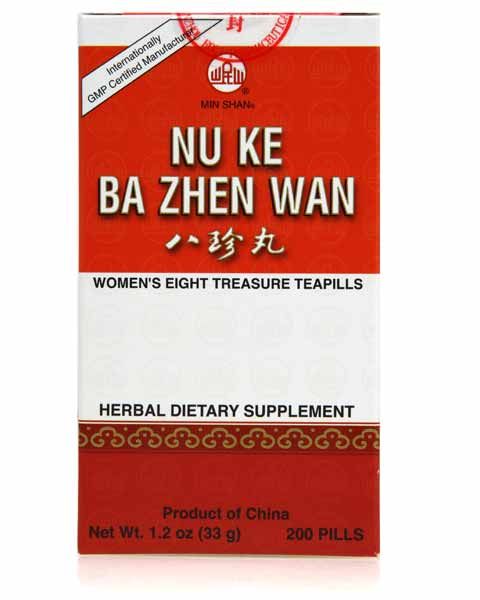
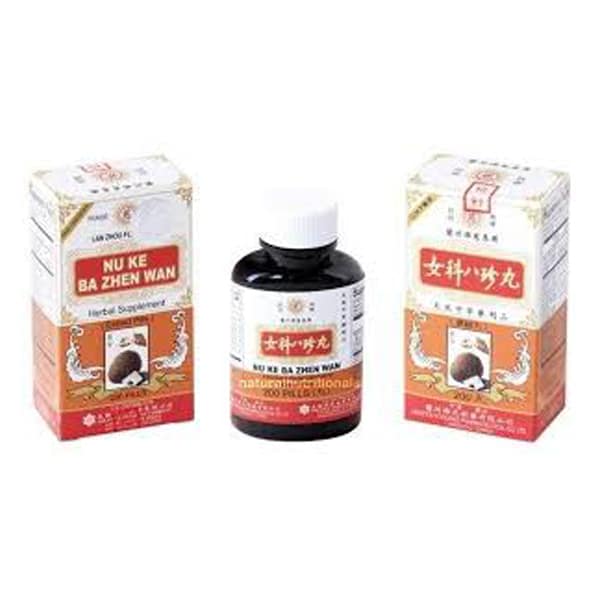
Bai Zhu also dries dampness while strengthening the Spleen and is indicated for diarrhea due to deficiencies of the Spleen and Stomach (that is, diarrhea that is watery and relatively lacking in foul odor). Furthermore, the production of healthy blood depends on robust Spleen qi—thus, Bai Zhu is often used when there is blood deficiency that is being caused by deficiency of the Spleen (as in the formula Ba Zhen Tang (Eight Treasures)).
Bai Zhu dries dampness and eliminates water accumulation that is caused by an inability of the Spleen to properly regulate the circulation of water in the body. This can manifest clinically as edema, ascites, or other conditions of water accumulation.
Excess water and phlegm can also accumulate in the chest and manifest with palpitation, asthma, cough with excessive sputum and stifling sensations, dizziness, and vertigo.
Bai Zhu strengthens wei (defensive) qi and stops spontaneous sweating to qi deficiency.
Bai Zhu stabilizes pregnancy when there is Spleen qi deficiency and malnutrition that is causing restlessness in the fetus.
–safety/clinical notes:
Contraindicated for use as a single herb for those with yin deficiency, fluid deficiency, or extreme thirst due to injured fluids.
Contraindicated for persons with qi stagnation characterized by feelings of oppression and distention.
Use with caution for patients who take anticoagulants such as heparin, warfarin (Coumadin), and enoxaprin (Lovenox) or antiplatelet medications such as aspirin, dipyridamole (Persantine), and clopidogrel (Plavix).
Concurrent use with diuretics such as chlorothiazide, hydrochlorothiazide, furmoside (Lasix), bumetinide (Bumex) and torsemide (Demadex) may lead to increased elimination of water and/or electrolytes.
This herb may enhance the inhibitory effect of omeprazole (a proton-pump inhibitor for acid-reflux and ulcers that decreases the amount of stomach acid produced).