


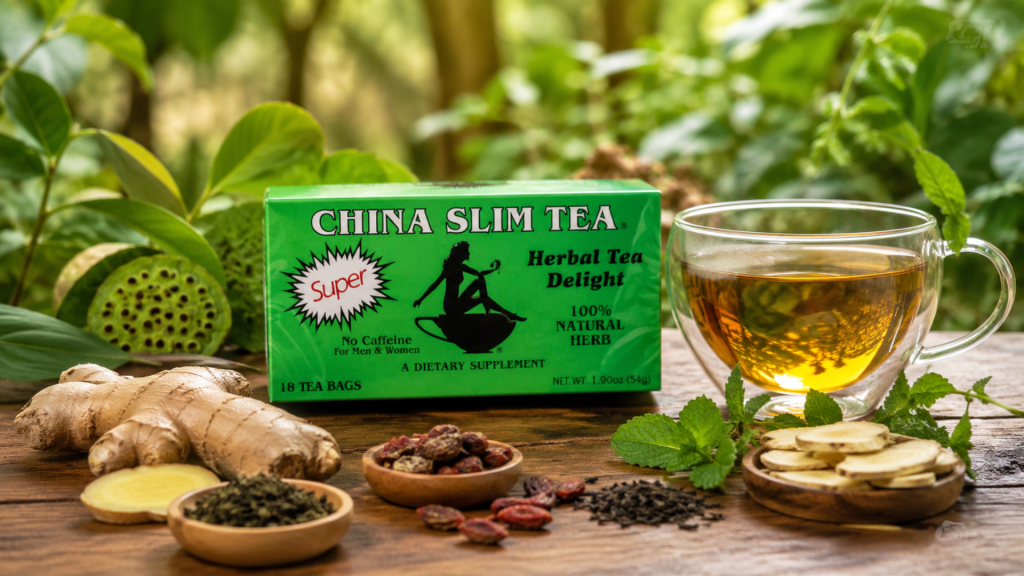
Best Chinese Herbs for Weight Loss

Key Takeaways
- Traditional Herbal Support: Chinese herbs are traditionally used to support digestion, circulation, energy, and overall balance related to wellness goals.
- Popular Chinese Weight Loss Herbs: Common weight loss herbs include ginger root, lotus leaf, hawthorn berry, poria mushroom, and ginseng.
- Herbs Work Best With Lifestyle: Herbal weight loss remedies work best alongside healthy nutrition, hydration, exercise, and consistent daily habits.
Many people supporting healthy weight management are turning to traditional wellness practices that focus on balance, not extreme routines. In Traditional Chinese Medicine, herbs for weight loss are used to strengthen digestion, bolster energy levels, encourage circulation, and restore overall wellness. These herbs have been part of herbal traditions for generations and are often found in teas, tinctures, and wellness formulas designed to complement healthy daily habits.
At Best Chinese Medicines, our collection of traditional herbal products reflects a commitment to quality, consistency, and authentic TCM principles. From carefully formulated herbal teas to targeted supplements, each product is selected to align with holistic wellness goals.
In this piece, we will be discussing the best Chinese herbs for weight loss, how they are traditionally used in wellness practices, and how they may support a balanced lifestyle.
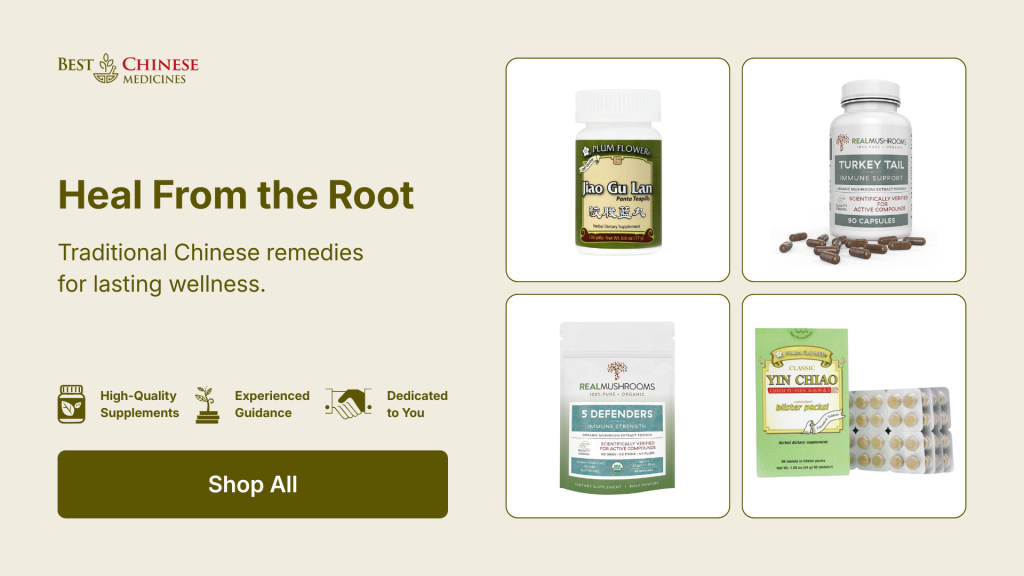
Best Herbs for Weight Loss in Traditional Chinese Medicine
Traditional Chinese Medicine takes a holistic view of weight management, focusing on balance within the body rather than isolated symptoms. Many of the best herbs for weight loss are traditionally used to address digestion, circulation, energy, and fluid balance as part of broader wellness practices.
Common Chinese herbs such as lotus leaf, hawthorn berry, ginger root, ginseng, and poria mushroom are found in teas and herbal formulas built around daily wellness. For a broader look at how plant-based remedies fit into this tradition, our post, Herbal Medicine Natures Pharmacy in Traditional Chinese Medicine, offers valuable context on the history and principles behind TCM herbal care.
Natural Herbs for Weight Loss and Metabolism Support
Many natural herbs for weight loss are traditionally valued for their connection to digestive and metabolic wellness. In Chinese herbal traditions, metabolism is often linked to the body’s internal balance and its ability to efficiently transform food into usable energy.
Ginger Root and Digestive Warmth
Ginger root has been used in Chinese wellness practices for centuries and is traditionally associated with supporting digestion, circulation, and body warmth. Natural compounds in ginger have been studied for their role in metabolic function, making it a popular choice for wellness routines centered on digestive balance and daily vitality.
Ginseng and Energy Support
Ginseng is one of the most recognized herbs in Traditional Chinese Medicine, traditionally used to bolster energy, vitality, and stamina. Asian ginseng is often associated with endurance, while American ginseng is linked to a more cooling effect. Both are commonly included among weight loss herbs for their long history of supporting balanced energy and overall wellness.
Herbal Weight Loss Remedies Commonly Used in Chinese Medicine
Chinese herbal traditions include a wide variety of herbal weight loss remedies designed to support balance in the body. These remedies are often combined with mindful eating habits and lifestyle practices that encourage long-term wellness.
Hawthorn Berry for Digestive Support
Hawthorn berry has traditionally been used to support digestion, especially after rich or heavy meals. In Chinese medicine, it is commonly consumed as a tea or herbal preparation to encourage the body’s natural digestive processes. Plant compounds in hawthorn have been researched for their potential role in cardiovascular and digestive wellness, making it a staple in many blends.
Lotus Leaf and Fluid Balance
Lotus leaf is frequently found in Chinese herbal teas associated with weight management support and is traditionally linked to healthy fluid balance and digestive wellness. With a light, refreshing flavor, lotus leaf is easy to enjoy as part of a daily routine. In TCM, lotus leaf is often paired with complementary herbs to restore harmony in the body while reinforcing healthy habits.
Herbs That Help With Weight Loss and Digestion
Digestive wellness plays a central role in many Traditional Chinese Medicine practices. Herbs that help with weight loss are often selected for their traditional connection to digestion, nutrient absorption, and internal balance.
Poria Mushroom and Digestive Wellness
Poria mushroom is widely used in Chinese herbal traditions and is traditionally associated with fluid balance and digestive function. Gentle by nature, poria is commonly combined with other herbs in traditional wellness blends intended to reduce feelings of heaviness and encourage daily comfort.
Cassia Seed and Herbal Tea Blends
Cassia seed is a common ingredient in Chinese herbal teas, traditionally associated with digestive support and internal cleansing practices. Many herbal tea blends pair cassia seed with lotus leaf or hawthorn berry, and these combinations are often enjoyed as part of a wellness routine built around balanced nutrition and hydration.
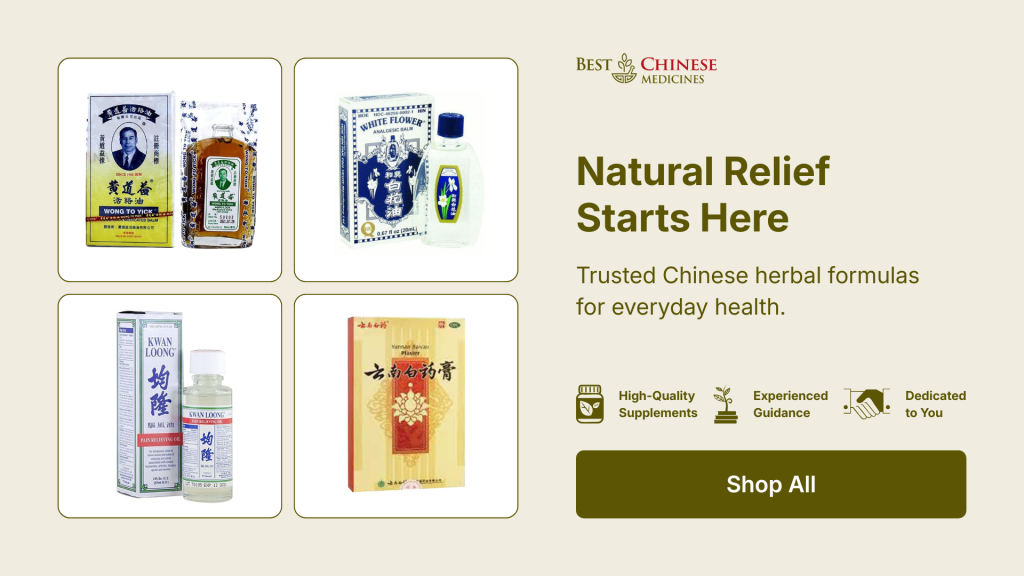
Weight Loss Herbs That May Support Appetite Control
While herbal remedies are not replacements for mindful eating habits, they may help support wellness routines when combined with balanced meals and healthy lifestyle choices.
Lotus Leaf
Lotus leaf is a popular choice in herbal tea blends connected to digestive wellness. A cup of lotus leaf tea after meals is a common TCM practice for those looking to maintain digestive harmony throughout the day.
Hawthorn Berry
Traditionally used after meals, hawthorn berry supports digestion and reduces feelings of heaviness. Hawthorn teas or herbal preparations are often recommended as a gentle post-meal digestive aid.
Ginger Root
Ginger root supports digestive comfort and healthy circulation, making it a versatile herb for daily use. Adding it to warm teas or herbal preparations is one of the simplest ways to incorporate its traditional benefits.
Ginseng
Ginseng is valued for maintaining energy levels that fuel active daily routines. For those curious about adaptogenic herbs alongside TCM wellness, adaptogens weight loss is a helpful companion read on how these plants complement a wellness-forward lifestyle.
Poria Mushroom
Traditionally connected to fluid balance and digestive harmony, poria mushroom is gentle and widely versatile. Poria pairs well alongside other TCM formulas and is a reliable choice in daily wellness blends aimed at sustained digestive comfort.
Cassia Seed
Cassia seed is commonly used in teas intended to support digestive regularity. Brewing cassia seed with hot water for 10 to 15 minutes draws out its mild, earthy flavor and traditional digestive properties.
Green Tea
Green tea is frequently included in herbal wellness routines for its natural antioxidant content. Rich in catechins, it has been widely studied for its role in metabolic and cardiovascular health.
Tangerine Peel
Tangerine peel is used in TCM to support digestion and healthy qi movement. Dried tangerine peel, known as chen pi, is a classic ingredient in warming, digestive-focused herbal formulas and pairs well with ginger and other digestive herbs.
Choosing the Best Herbs for Weight Loss Based on Your Wellness Goals
Herbal weight loss remedies work best alongside healthy habits such as balanced nutrition, regular exercise, hydration, stress management, and proper sleep. Seasonal changes can also inform how herbal routines are structured, and Spring Weight Loss With Chinese Herbal Medicine offers a practical look at how TCM approaches shift throughout the year. In TCM, herbs are viewed as supportive tools that complement overall wellness rather than standalone solutions.
Selecting high-quality herbal products from trusted sources matters for both safety and consistency, and the best Chinese herbs weight loss can help narrow down which options best align with your goals. Before adding new herbs to your routine, consulting with a healthcare professional or TCM practitioner is a wise step, especially if you are pregnant, nursing, taking medications, or managing health conditions.
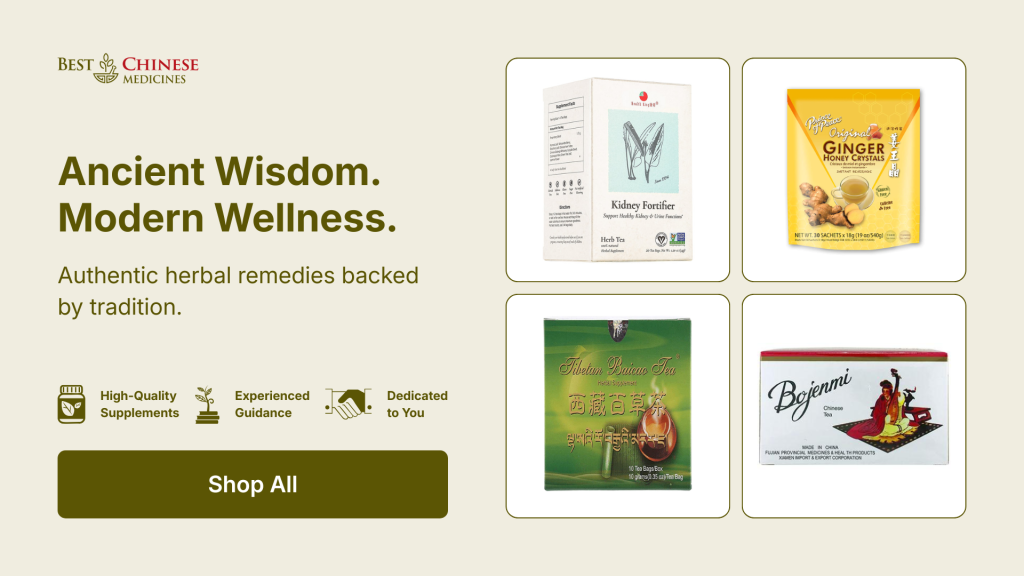
Final Thoughts
Traditional Chinese Medicine offers a thoughtful and balanced approach to wellness, including the use of herbs for weight loss support. From ginger root and lotus leaf to hawthorn berry and ginseng, these herbs have been used for generations to support digestion, energy, and overall balance. Combined with healthy lifestyle habits, natural herbal support may help encourage long-term wellness and mindful weight management.
Frequently Asked Questions About The Best Chinese Herbs for Weight Loss
Are Chinese herbs for weight loss safe for daily use?
Many Chinese herbs are traditionally used as part of daily wellness routines, but safety depends on the specific herb, dosage, and individual health conditions. It is important to follow product instructions and speak with a healthcare professional before starting herbal supplements.
Can herbal teas help with weight management?
Some herbal teas are traditionally used to support digestion, hydration, and energy balance. While teas alone do not cause weight loss, they may complement healthy eating and exercise habits.
What is the difference between Chinese herbs and regular weight loss supplements?
Traditional Chinese herbs are commonly selected based on holistic wellness principles that focus on balance within the body. Many commercial weight loss supplements focus primarily on stimulants or appetite suppression.
Are there caffeine-free weight loss herbs?
Yes. Several Chinese herbs, including poria mushroom and lotus leaf, are naturally caffeine-free and are often included in herbal wellness blends.
Should natural herbs for weight loss be taken before or after meals?
This depends on the herb and the preparation method. Some herbal teas are traditionally consumed after meals to support digestion, while others may be used between meals as part of a wellness routine.
Can herbal weight loss remedies replace exercise?
No. Herbal remedies are best used alongside healthy habits such as balanced nutrition, regular movement, hydration, and proper sleep.
Sources
- Du, H., You, J. S., Zhao, X., Park, J. Y., Kim, S. H., & Chang, K. J. (2010). Antiobesity and hypolipidemic effects of lotus leaf hot water extract with taurine supplementation in rats fed a high fat diet. Journal of biomedical science, 17 Suppl 1(Suppl 1), S42. https://doi.org/10.1186/1423-0127-17-S1-S42
- Lang, A., & Shoemaker, S. (2025, September 1). Health benefits of hawthorn berry. Healthline. https://www.healthline.com/nutrition/hawthorn-berry-benefits
- Johns Hopkins Medicine. (n.d.). Ginger benefits.https://www.hopkinsmedicine.org/health/wellness-and-prevention/ginger-benefits
Recommended Products
-
Sale!
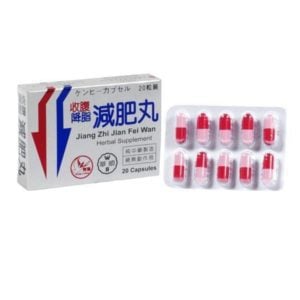 Jiang Zhi Jian Fei Wan – Keep Fit
Starting at $7.99
Add to CartSelect options
This product has multiple variants. The options may be chosen on the product page
Jiang Zhi Jian Fei Wan – Keep Fit
Starting at $7.99
Add to CartSelect options
This product has multiple variants. The options may be chosen on the product page
-
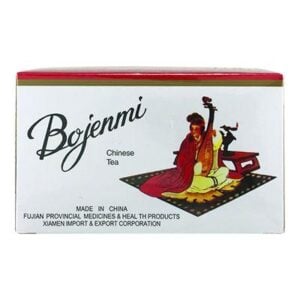 Bojenmi Chinese Weight Loss Tea – (LIMITED QTY)
$12.49
Add to CartAdd to cart
Bojenmi Chinese Weight Loss Tea – (LIMITED QTY)
$12.49
Add to CartAdd to cart
-
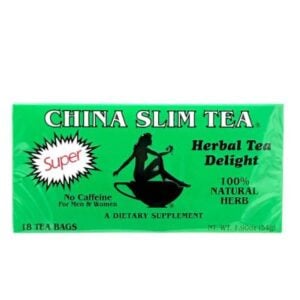 China Slim Herbal Tea (SUPER)
$13.39
Add to CartAdd to cart
China Slim Herbal Tea (SUPER)
$13.39
Add to CartAdd to cart
-
Sale!
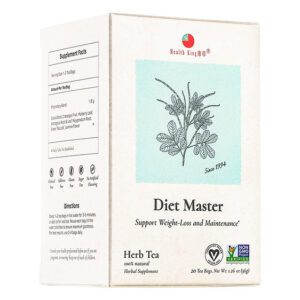 Diet Master Herb Tea – by Health King
Starting at $7.99
Add to CartSelect options
This product has multiple variants. The options may be chosen on the product page
Diet Master Herb Tea – by Health King
Starting at $7.99
Add to CartSelect options
This product has multiple variants. The options may be chosen on the product page