


Chinese Diet to Lose Weight in 1 Week: A TCM-Informed Meal Plan
Key Takeaways
- TCM-Inspired Eating: Learn how Traditional Chinese Medicine connects balanced digestion and mindful eating with healthier routines.
- Chinese Diet Food Choices: Understand which warm meals, vegetables, proteins, and teas are commonly included in a Chinese diet meal plan.
- Practical Weekly Habits: Find simple meal planning and lifestyle habits that may support wellness and portion awareness in one week.
Many people looking for healthier eating habits are drawn to the simplicity and balance found in traditional Chinese meals. A Chinese diet to lose weight in 1 week often focuses on warm foods, vegetables, soups, lean proteins, and mindful portion sizes rather than heavily processed meals or restrictive dieting trends. Rooted in Traditional Chinese Medicine, this approach encourages balanced eating habits that may support digestion and overall wellness.
At Best Chinese Medicines, we believe wellness starts with balance. Our focus on Traditional Chinese Medicine allows us to provide trusted herbal products and educational resources rooted in centuries of holistic practices. We are committed to helping individuals explore natural wellness solutions through informative guidance and quality herbal support.
Below, we discuss how a Chinese diet meal plan inspired by Traditional Chinese Medicine may support balanced eating habits and overall wellness in one week.
What TCM Teaches Us About the Chinese Diet to Lose Weight in 1 Week
Traditional Chinese Medicine approaches weight management through balance, digestion, and nourishment rather than strict calorie restriction. Dietary therapy in TCM serves two purposes: prevention and treatment. Food is considered medicine, used to nourish the body and restore internal harmony long before more serious imbalances develop.
This philosophy is organized around the five-element theory, which divides the natural world into wood, fire, earth, metal, and water. Each element corresponds to specific organ systems, seasons, and flavors:
- Wood (sour foods): Citrus, vinegar, and leafy greens are associated with liver health and the free flow of energy throughout the body. In a Chinese diet food routine, these ingredients are used in moderation to prevent stagnant energy.
- Fire (bitter foods): Bitter melon, dandelion greens, and dark leafy vegetables relate to heart and small intestine support. These foods appear in lighter TCM-inspired meal plans centered on circulation and balance.
- Earth (sweet foods): Sweet potatoes, millet, and squash align with spleen and stomach function. In TCM, earth element foods are central to healthy digestion and steady energy production.
- Metal (pungent foods): Ginger, garlic, onions, and radish fall under the metal element and relate to lung and large intestine health. These warming aromatics are foundational ingredients in Chinese cuisine.
- Water (salty foods): Seaweed and small amounts of sea salt correspond to kidney support and fluid balance. Water element foods are used sparingly to help the body maintain its natural equilibrium.
How a Chinese Diet Meal Plan Supports Healthy Digestion
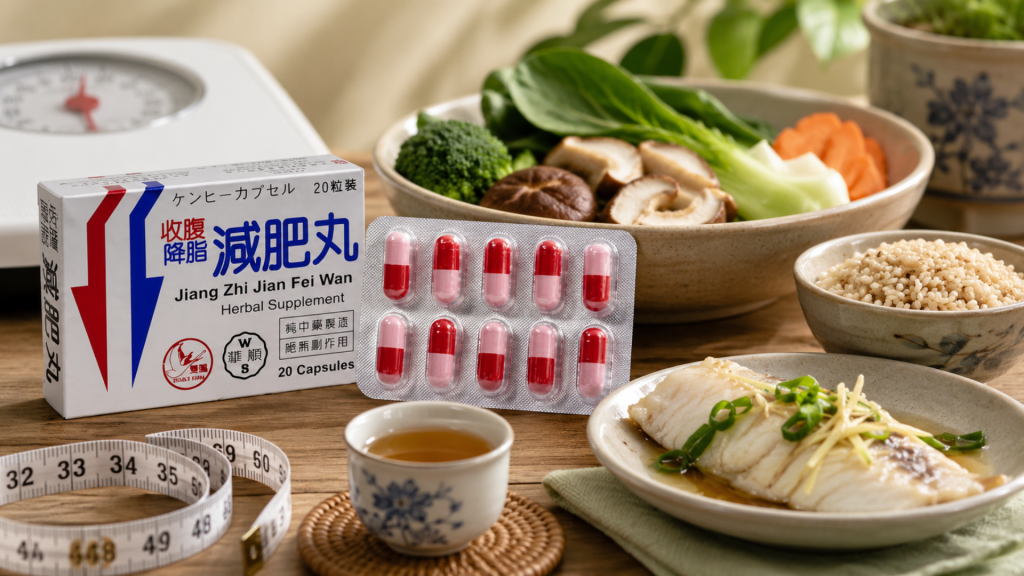
A Chinese diet meal plan often prioritizes foods that are easy to digest and comforting for the stomach. Warm meals are commonly preferred because TCM traditions associate them with better digestive support. Congee, lightly cooked vegetables, clear soups, steamed fish, and herbal teas are frequently included in meals designed around balance and moderation.
One concept worth knowing when exploring TCM digestion is dampness. Our blog, Dampness in Chinese Medicine What Is It How to Fix It, offers helpful context for why certain foods are emphasized in a TCM-inspired eating routine, and why others that feel heavy or greasy are set aside.
Warm Meals and Gentle Cooking Methods
Steaming, simmering, and light stir-frying are common methods in Chinese cuisine. These approaches preserve flavor while avoiding heavy oils. Warm breakfasts such as rice porridge with vegetables or eggs are often viewed as easier on digestion than cold or heavily processed foods. Soups with ginger, mushrooms, leafy greens, or tofu can also provide a satisfying meal without feeling overly heavy.
Consistency and Portion Awareness
TCM-informed eating habits encourage moderate portions and slower, more attentive meals. Rather than skipping meals, people are encouraged to eat balanced dishes throughout the day, which can support fullness levels. A simple Chinese diet meal plan may include rice, vegetables, and protein in smaller portions that feel satisfying without overeating.
Best Chinese Diet Food Choices for a Balanced Week
Chinese diet food often includes fresh ingredients that provide variety without relying on processed options. Vegetables play a major role in many dishes because they add texture, flavor, and nourishment. Bok choy, napa cabbage, mushrooms, spinach, cucumber, and Chinese broccoli are commonly used in soups and stir-fries. Lean proteins such as tofu, chicken, shrimp, and steamed fish round out many balanced meals.
Foods That Commonly Support a TCM-Inspired Diet
Whole ingredients are a go-to in Chinese diets. Brown rice, millet, sweet potatoes, and oats may be included alongside cooked vegetables and proteins. Ginger, garlic, scallions, and sesame are often used to enhance flavor naturally. Herbal teas such as chrysanthemum or green tea may also complement meals during the week.
Those curious about which specific herbs pair well with a weight-focused routine will find helpful guidance in Best Chinese Herbs Weight Loss, which covers traditional TCM options that have long been part of holistic wellness practice.
Building a Simple Chinese Diet Menu for Weight Loss
A Chinese diet menu for weight loss does not need to be complicated. Many meals come together with a small group of ingredients and straightforward cooking methods. Breakfast may include congee with vegetables and green tea. Lunch could consist of steamed fish, sautéed greens, and rice, while dinner may center on soup with tofu and mushrooms. Snacks are often simple, such as sliced fruit, nuts, or warm tea.
Planning Balanced Meals Throughout the Day
Creating a practical meal routine makes healthy eating easier to maintain over time. Meals that combine vegetables, lean protein, and moderate portions of grains may help people stay satisfied throughout the day. Using seasonal ingredients also keeps things interesting without relying on packaged products or heavy sauces.
The five-element theory provides a useful lens here by rotating flavors across the week, ensuring a range of nutrients. Those who want to deepen their approach through seasonal awareness will find practical guidance in Eating With the Seasons TCM Tips for Winter.
Keeping Meals Light but Filling
A Chinese diet menu often includes broth-based soups and vegetable dishes that feel satisfying without being overly rich. Adding ingredients like tofu, eggs, or fish can provide additional protein while keeping meals balanced. Choosing lighter cooking methods may also support people who want a more comfortable and consistent eating routine.
Chinese Food for Diet Goals: What to Eat and Avoid
Many traditional dishes use vegetables, herbs, soups, and lean proteins that fit naturally into a balanced routine. Those curious about how specific herbs can support seasonal weight goals will find practical TCM-backed options in Spring Weight Loss With Chinese Herbal Medicine.
- Steamed fish with ginger and scallions offers protein without heavy breading or excess oil.
- Stir-fried vegetables with garlic provide flavor and texture while keeping meals balanced.
- Congee with mushrooms or greens can serve as a warm and comforting breakfast option.
- Clear soups with tofu, cabbage, or chicken are commonly included in lighter meal plans.
- Brown rice or millet can be used in moderate portions alongside vegetables and proteins.
- Green tea and herbal teas are often enjoyed instead of sugary beverages.
- Fried takeout dishes, sugary sauces, and oversized portions are usually reduced during the week.
Final Thoughts
A Chinese diet to lose weight in 1 week can offer a structured and balanced approach to healthier eating habits. With warm meals, nourishing ingredients, moderate portions, and mindful routines as the foundation, a TCM-informed meal plan may support digestion and overall wellness. Simple changes practiced consistently often create more lasting results than extreme dieting methods.
At Best Chinese Medicines, our catalog of herbal supplements, teas, and time-tested formulas is designed to complement the kind of whole-body approach that Traditional Chinese Medicine has championed for centuries.
Frequently Asked Questions About the Chinese Diet to Lose Weight in 1 Week
Can you eat rice on a Chinese diet to lose weight in 1 week?
Yes, rice can still be included in moderation. Many TCM-inspired meal plans focus on balanced portions rather than eliminating carbohydrates completely.
Are soups important in a Chinese diet meal plan?
Soups are commonly included because they are warm, filling, and often made with vegetables and lean proteins that support balanced eating habits.
Is spicy food allowed in a Chinese diet menu?
Moderate spice may be included depending on personal preference, but heavily oily or extremely spicy dishes are often limited during a lighter eating routine.
Can vegetarians follow a Chinese diet food plan?
Yes, tofu, mushrooms, leafy greens, rice, and vegetable soups can all be included in vegetarian-friendly Chinese meal plans.
How many meals should you eat each day on a Chinese diet?
Most people follow three balanced meals daily with light snacks if needed, instead of skipping meals or overeating later in the day.
Can fruit be included in a Chinese diet meal plan?
Fresh fruit can be enjoyed in moderation, especially as a snack between meals or alongside breakfast.
Is exercise necessary during a Chinese diet menu plan?
Yes. Light physical activity, such as walking, stretching, or tai chi, may complement healthy eating habits and support your wellness goals.
Sources
- UCLA Health. (n.d.). Traditional Chinese medicine food recommendations. https://www.uclahealth.org/sites/default/files/documents/e7/tcm-food-recommendations.pdf
- Mayer, B. A. (2021, October 18). What the five elements can teach you about your personality and health. Healthline. https://www.healthline.com/health/mind-body/what-are-the-five-elements
Recommended Products
-
Sale!
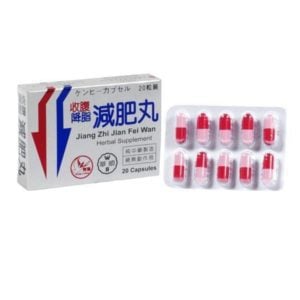 Jiang Zhi Jian Fei Wan – Keep Fit
Starting at $7.99
Add to CartSelect options
This product has multiple variants. The options may be chosen on the product page
Jiang Zhi Jian Fei Wan – Keep Fit
Starting at $7.99
Add to CartSelect options
This product has multiple variants. The options may be chosen on the product page
-
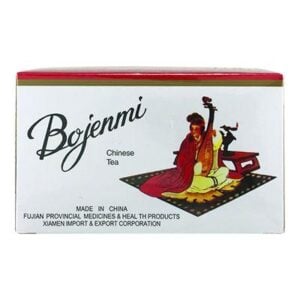 Bojenmi Chinese Weight Loss Tea – (LIMITED QTY)
$12.49
Add to CartAdd to cart
Bojenmi Chinese Weight Loss Tea – (LIMITED QTY)
$12.49
Add to CartAdd to cart
-
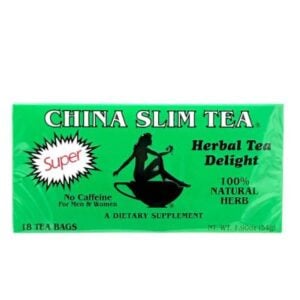 China Slim Herbal Tea (SUPER)
$13.39
Add to CartAdd to cart
China Slim Herbal Tea (SUPER)
$13.39
Add to CartAdd to cart
-
Sale!
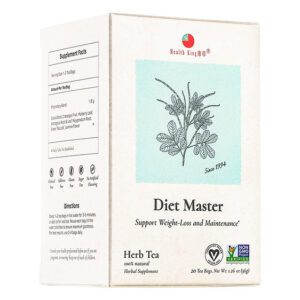 Diet Master Herb Tea – by Health King
Starting at $7.99
Add to CartSelect options
This product has multiple variants. The options may be chosen on the product page
Diet Master Herb Tea – by Health King
Starting at $7.99
Add to CartSelect options
This product has multiple variants. The options may be chosen on the product page