


Are you someone who always has a pack of tissues handy? Do you struggle with constant allergies, lingering coughs, or catch colds easily? Maybe your skin is dry and irritated, or you’ve been feeling more sad or disconnected than usual?
According to Traditional Chinese Medicine (TCM), these symptoms could all point back to an imbalance in one key system: the Lungs.
In TCM, the Lungs are responsible for more than just breathing – they’re considered the body’s first line of defense, part of the energy production system, the foundation of skin health, and are even tied to core emotions like sadness, grief, and depression.
So, how can you support your Lungs and improve your overall health? Start with Chinese medicine.
Understanding the TCM Lung: More Than Just an Organ
In Western medicine, the lungs are mostly viewed as respiratory organs. As we breathe, they bring in oxygen and release carbon dioxide.
But in Traditional Chinese Medicine, the Lungs play a much bigger role. They’re considered one of the most important systems for immunity, energy, and emotional processing. The Lungs are responsible for the body’s boundary – both physical and emotional – and how we take in and let go of what we no longer need. In fact, the season most closely related to the Lungs is autumn. In this season, we see nature let go of excess to preserve itself over the winter.
The Lungs are also said to be the “tender organ,” meaning they’re easily affected by external pathogens like wind, cold, and dryness. But they’re also sensitive to internal experiences like grief, sadness, and loss.
By understanding what the Lungs do in TCM, we can begin to see how issues like frequent colds, asthma, or even skin problems may stem from deeper imbalances in this system. Let’s take a closer look at the role of the Lungs in the body:
What Does the Lung Do in TCM?
- Governs Qi and respiration
The Lungs are in charge of inhaling clear Qi and helping distribute it throughout the body. They also work closely with the Spleen to transform food and air into usable energy. - Disperses and descends Qi
Lung Qi must flow downward to support normal breathing and clear airways. When this process is blocked, issues like coughing, wheezing, or chest tightness can develop where Qi moves upwards or stays stagnant in the chest. - Regulates water metabolism
The Lungs help move fluids through the body and keep the skin and mucous membranes moist. When the Lung is unable to do this job, issues like dryness or phlegm can develop. - Controls the skin and body hair
The skin is seen as the “outer layer” of the Lungs. Dry skin, itching, rashes, or a weak immune system can be signs of Lung imbalance. - Houses the “Po” (corporeal soul)
Emotionally, the Lung system helps us process grief and embrace the rhythm of taking in and letting go. They support presence, clarity, and connection. When the Lung is imbalanced, we may struggle to overcome grief, get lost in sadness, or feel numb.
Common Lung Imbalances and Their Symptoms
The Lung system (including the lungs themselves and our skin) acts as our barrier to the outside. As such, it’s often the first to be affected when we’re run down, exposed to harsh climates, or going through a period of grief or change.
But not all Lung issues look the same. In TCM, different patterns of imbalance can lead to very different symptoms. Understanding which pattern you’re experiencing is key to choosing the right herbal formula to boost your Lung health. Let’s explore the most common Spleen patterns and how they show up in daily life.
Lung Qi Deficiency
When your Lung Qi is weak, your defenses are down. You might feel fatigued, catch colds easily, or struggle with shortness of breath even with mild activity. This is the most common pattern when your immune system feels run down or your energy feels low.
- Fatigue or low stamina
- Frequent colds or flus
- Susceptible to allergies
- Shortness of breath
- Weak cough or voice
- Spontaneous sweating
Lung Yin Deficiency
This pattern shows up when there’s a lack of moisture or nourishment in the Lung system. It’s often the result of chronic illness, stress, or long-term dryness (such as exposure to heat or dry climates). Think of this as the Lung system being “dried out.”
- Dry cough or throat
- Night sweats
- Dry skin or lips
- Hoarseness or a weak voice
- Thirst, especially in the afternoon or evening
Wind-Cold Invasion
This is the classic start of a cold—often marked by chills, stiffness, and clear mucus. In TCM, it’s considered an external pathogen (Wind-Cold) entering through the skin or nose.
- Chills more than fever
- Stiff neck or body aches
- Clear or white nasal discharge
- Sneezing
- Cough with thin, clear phlegm
Wind-Heat Invasion
This is another form of “catching a cold,” but with more heat symptoms like fever, sore throat, and yellow mucus. You’ll often feel flushed or hot, rather than chilled.
- Fever more than chills
- Sore throat
- Yellow nasal discharge or phlegm
- Headache
- Thirst or sweating
Phlegm-Damp in the Lungs
Sometimes the Lung system becomes congested with dampness and phlegm, especially when the Spleen is also weak. This can lead to a chronic wet cough, heaviness in the chest, and sinus issues.
- Cough with thick, sticky mucus
- Chest congestion
- Feeling of heaviness or foggy head
- Digestive issues
- Swollen sinuses or post-nasal drip
Unpacking the Top Chinese Herbs for Lung Support & Balance
Whether you’re struggling with a cold, a cough, or a lingering sense of grief, there’s a Chinese herbal formula for Lung health for you. Which one to choose, however, all depends on your specific symptoms and your constitution. Let’s look closer at the most commonly used Lung formulas to help you find the one that suits you best.
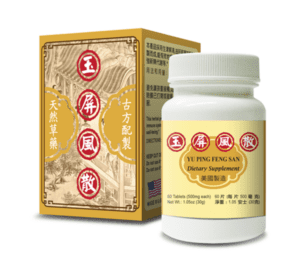 Yu Ping Feng (Astragalus Combo) – by Lao Wei
- Feeling Run Down or Getting Sick Often?
Boost Lung Qi with Yu Ping Feng San
If you catch colds easily, feel tired all the time, or seem to always get sick after being around crowds or traveling, your Lung Qi may be depleted. Yu Ping Feng San is a classic immune-supporting formula that strengthens your body’s “wei qi” – defensive energy that acts as your body’s shield. It’s especially helpful for people who feel like they’re always on the verge of getting sick.
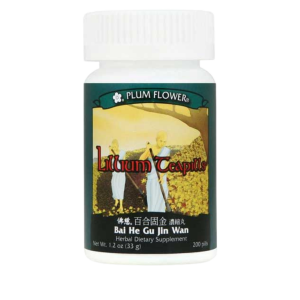 Plum Flower – Lilium Teapills (Bai He Gu Jin Wan)
- Have a Dry Cough, Throat Irritation, or Heat at Night?
Moisten the Lungs with Bai He Gu Jin Wan
If your lungs feel dry, irritated, or scratchy (especially if you also feel warm at night or have a lingering dry cough) this formula may help. Bai He Gu Jin Wan nourishes Yin and fluids in the Lung and Kidney systems, helping restore moisture and soothe dryness.
-
Sale!
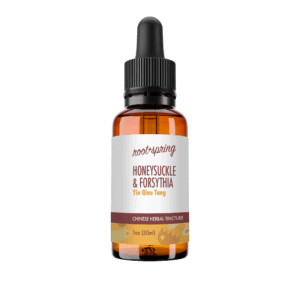 Yin Qiao Tang (Honeysuckle and Forsythia) – Liquid Extract (Tincture)
Starting at $14.00
Add to CartSelect options
This product has multiple variants. The options may be chosen on the product page
Yin Qiao Tang (Honeysuckle and Forsythia) – Liquid Extract (Tincture)
Starting at $14.00
Add to CartSelect options
This product has multiple variants. The options may be chosen on the product page
- Just Starting to Catch a Cold?
Stop It Early with Yin Qiao Tang (Yin Chiao)
This is the go-to formula at the very first sign of a cold or flu, especially if you feel hot, have a sore throat, or are around others who are sick. Yin Qiao Tang is best taken in the first 24–48 hours of symptoms or exposure and can often stop a virus from taking hold when used early.
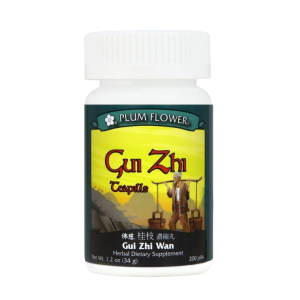 Plum Flower – Gui Zhi Wan (Cinnamon Twig Decoction)
- Got Chills, Body Aches, and Clear Mucus?
Dispel Wind-Cold with Gui Zhi Wan
If you’ve been caught in cold weather or are coming down with a cold that starts with chills and body stiffness, Gui Zhi Wan is a gentle warming formula that helps your body sweat out the pathogen and recover more quickly. Because it’s warming, it’s best for colds with a cold nature, and should be avoided if you have hot symptoms like sore throat, sticky yellow phlegm, dark urine, or skin rashes.
-
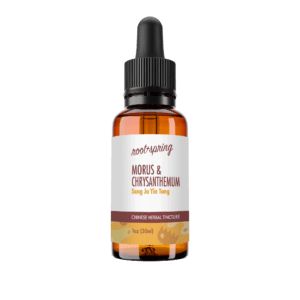 Sang Ju Yin Tang (Morus And Chrysanthemum) – Liquid Extract (Tincture)
Starting at $14.00
Add to CartSelect options
This product has multiple variants. The options may be chosen on the product page
Sang Ju Yin Tang (Morus And Chrysanthemum) – Liquid Extract (Tincture)
Starting at $14.00
Add to CartSelect options
This product has multiple variants. The options may be chosen on the product page
- Notice Yellow Mucus, Sore Throat, and Heat Signs?
Clear Heat with Sang Ju Yin Tang
When your cold feels hot – think fever, sore throat, red eyes, and yellow mucus – Sang Ju Yin Tang helps clear Wind-Heat and cool the Lung system. It’s a better choice than Yin Qiao if you’ve missed the “early window” and your symptoms are already heating up.
-
Sale!
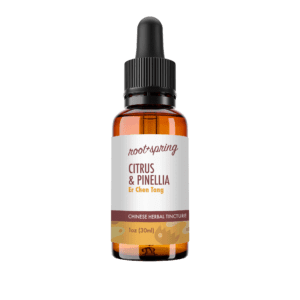 Er Chen Tang (Citrus and Pinellia) – Liquid Extract (Tincture)
Starting at $14.00
Add to CartSelect options
This product has multiple variants. The options may be chosen on the product page
Er Chen Tang (Citrus and Pinellia) – Liquid Extract (Tincture)
Starting at $14.00
Add to CartSelect options
This product has multiple variants. The options may be chosen on the product page
-
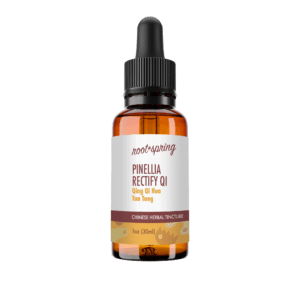 Qing Qi Hua Tan Tang (Pinellia Rectify Qi) – Liquid Extract (Tincture)
Starting at $14.00
Add to CartSelect options
This product has multiple variants. The options may be chosen on the product page
Qing Qi Hua Tan Tang (Pinellia Rectify Qi) – Liquid Extract (Tincture)
Starting at $14.00
Add to CartSelect options
This product has multiple variants. The options may be chosen on the product page
- Chronic Wet Cough, Mucus, or Chest Congestion?
Resolve Phlegm with Er Chen Tang or Qing Qi Hua Tan Tang
If you’re dealing with a lingering cough that’s producing thick phlegm, we’d recommend one of these two formulas. Er Chen Tang is ideal for phlegm-damp conditions like congestion or ongoing sinus issues. Qing Qi Hua Tan Tang is stronger and better for heat symptoms like sticky yellow phlegm, chest tightness, or bronchial inflammation.
-
Sale!
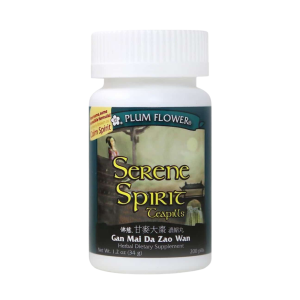 Plum Flower – Serene Spirit Teapills (Gan Mai Da Zao Wan)
Starting at $21.23
Add to CartSelect options
This product has multiple variants. The options may be chosen on the product page
Plum Flower – Serene Spirit Teapills (Gan Mai Da Zao Wan)
Starting at $21.23
Add to CartSelect options
This product has multiple variants. The options may be chosen on the product page
- Struggling with Grief, Sadness, or Inability to Let Go?
Nourish the Heart-Lung Connection with Gan Mai Da Zao Wan
If you’re experiencing lingering sadness, frequent tearfulness, emotional overwhelm, or feel like you just can’t “let go,” this gentle formula may help. Gan Mai Da Zao Wan supports the emotional aspect of Lung imbalance by calming the nervous system, nourishing the Heart and Spleen (which work in sync with the Lung emotionally) to help you feel more emotionally grounded. It’s often used during times of loss or transition when grief weighs heavy on the chest.
How to Choose the Correct Lung Formula for You
Chinese medicine has dozens of formulas to improve immune health, fight colds, boost energy, and address emotional imbalances. So how do you know which one to choose for your unique situation? Here are a few tips to help:
- Identify Your Main Symptoms
When it comes to feeling “sick,” go deeper. What kind of “sick” do you feel? Overheated? Chilled? Thick or thin mucus? A cough, fever, sore throat, or all three? These details help differentiate between Wind-Heat, Wind-Cold, Qi Deficiency, Yin Deficiency, or Dampness/Phlegm so you can choose the right formula family. - Consider the Stage of Your Illness
Timing matters in TCM. Catching symptoms early (like with Yin Chiao) may help prevent a full-blown illness. But if symptoms have progressed and you’re experiencing fever, mucus, or fatigue, you’ll need a different formula more suited to that stage. - When in Doubt, Ask for Help
If you’re still unsure which direction to go, talking to a licensed TCM practitioner can help. They’ll assess your whole-body picture and recommend the most appropriate formula for your constitution and current needs.
More TCM Tips to Support Lung Health and Balance
Chinese herbs are a powerful way to support your Lungs, but your daily habits matter just as much. Small changes in your lifestyle and environment can go a long way in protecting and strengthening Lung function, and therefore your immunity, energy, and emotional balance.
- Eat moistening foods
Pears, white mushrooms, honey, and sweet potatoes all help to nourish Lung Yin and combat dryness, which is especially helpful during fall or in dry climates. - Breathe deeply
Deep, intentional breathing is an exercise that supports both your Lung Qi and your nervous system. For a simple way to get started, try breathing into your belly for a count of 4, then exhaling for 6. - Protect your neck
TCM believes that Wind-Cold pathogens can easily invade through the neck and upper back. Always wear a scarf when the temperature drops or the wind picks up. - Declutter and let go of what no longer serves you
The Lungs are associated with grief and letting go. If you’re struggling with grief or pent-up emotions you just can’t shake, try letting go physically first. Declutter, clean out the fridge, or even empty your inbox. Then, try journaling, therapy, or even breathwork practices to help release stuck emotions and improve Lung function.
Boost Your Lung Health with Chinese Herbs
Your Lungs do far more than help you breathe.When your Lung system is in balance, you feel clear, energized, and resilient, both physically and emotionally.
When out of balance, however, a range of health issues can arise. Chinese herbal formulas are a time-tested way to bring your Lung system back into balance. Whether you’re dealing with chronic congestion, frequent colds, lingering fatigue, or emotional heaviness, there’s a formula to help your body release, recover, and breathe easier.
Not sure where to start? Browse our curated collection of Lung-supportive formulas, or reach out for help finding the one that best fits your needs.