

The Ultimate Guide to Dit Da Jow: Topical Chinese Herbal Medicine for Pain Relief and Healing
Key Takeaways
- Traditional Uses and Application: Dit da jow is a topical herbal liniment rooted in Traditional Chinese Medicine and commonly used after physical activity and minor injuries.
- Common Herbal Formula Composition: Different dit da jow formulas contain unique combinations of herbs selected according to traditional wellness principles and intended uses.
- Long-Term Preparation: Traditional methods for making dit da jow often involve soaking herbs in alcohol for extended periods to create a concentrated liniment.
Dit da jow is a traditional Chinese herbal liniment that has been used for generations to support recovery from bruises, strains, and other minor injuries. Popular among martial artists and active individuals, it remains a well-known topical remedy in Traditional Chinese Medicine due to its long history and herbal formulation.
At Best Chinese Medicines, we offer authentic Traditional Chinese Medicine products sourced from trusted manufacturers, helping customers access traditional wellness solutions backed by centuries of herbal knowledge.
In this piece, we will discuss dit da jow, its traditional uses, common herbal ingredients, potential benefits, and how it is traditionally prepared.

What Is Dit Da Jow and Why Is It Still Used Today?
Dit da jow is a topical herbal remedy that has been applied directly to the skin for centuries, traditionally valued for addressing bruises, sprains, and recovery from physical exertion. In Traditional Chinese Medicine (TCM), this liniment is prized for its ability to promote healthy circulation and support the body’s natural healing process. Today, athletes, martial artists, and those drawn to natural wellness solutions continue to reach for dit da jow as a trusted part of their recovery toolkit.
The dit da jow herbs used in these formulas vary by region and practitioner, but many traditional blends include ingredients such as safflower, myrrh, dragon’s blood resin, and other botanicals with deep roots in Chinese herbal theory. These herbs are selected for their traditional associations with moving qi and blood, two foundational concepts in TCM that relate to how the body circulates energy and nourishment through its tissues.
The History and Traditional Uses of Dit Da Jow
The origins of dit da jow trace back to ancient China, where herbal practitioners developed specialized formulas to address the physical demands of daily labor, military training, and combat practice.
Texts from the Ming and Qing dynasties reference herbal liniments applied to injuries sustained during martial arts and farming, reflecting a centuries-long tradition of applied herbal medicine in physical life. These remedies grew into a cornerstone of training halls and martial arts schools, passed down through lineages of practitioners who refined their formulas across generations.
Those looking to trace this history in greater depth will find a thorough resource in the Ultimate Guide to Dit Da Jow Topical Chinese Herbal Medicine for Pain Relief and Healing, which examines the full arc of its development and traditional applications.
Dit Da Jow for Pain Relief: Common Uses and Potential Benefits
Many people use dit da jow for pain associated with bruises, muscle soreness, strains, and sports-related injuries. In TCM, these formulas are traditionally applied to encourage healthy blood flow and aid the body’s recovery process.
Likewise, recreational athletes and fitness enthusiasts often turn to topical herbal remedies as a complement to their post-workout routine. Those dealing with summer sport injuries may find additional herbal context in Chinese Herbal Cures for Summer Sport Injuries, which discusses herbal approaches commonly used after physical activity.
How to Make Dit Da Jow Using Traditional Chinese Herbs
Those curious about how to make dit da jow should know that traditional preparation is not a quick process. Herbs are typically soaked in alcohol for several months, sometimes up to a year or longer, to fully extract their properties and create a potent liniment. However, recipes vary widely in regional traditions and practitioner preferences.
The specific dit da jow herbs selected for a formula can change its color, scent, and intended application, which is why formulas from different lineages often look and smell quite different from one another. Many people choose professionally prepared formulas rather than making their own, both for consistency and to honor the expertise embedded in traditional herbal selection.
How to Choose and Use Dit Da Jow Safely
When selecting a dit da jow product, purchasing from a trusted source is essential for quality and authenticity. Follow product instructions carefully and avoid applying the liniment to broken skin unless directed otherwise. Our best Chinese pain patches highlight other traditional remedies commonly used for physical discomfort. Here is how to incorporate dit da jow into a daily wellness routine safely:
- Apply to Targeted Areas Only: Focus application on specific sites of discomfort rather than large surface areas. A small amount massaged into a bruised or strained muscle, for example, allows the herbal liniment to work where it is most needed.
- Use After Physical Activity: Many practitioners recommend applying dit da jow for pain management in the post-workout window, when the body’s tissues are most receptive to topical care. A brief massage of the formula into sore or fatigued muscles can become a consistent part of a cool-down routine.
- Avoid Broken or Sensitive Skin: Dit da jow is formulated for intact skin. Avoid applying it to open wounds, cuts, or irritated areas. Washing hands thoroughly after application prevents accidental contact with the eyes or mucous membranes.
- Store Properly Between Uses: Keep your liniment in a cool, dry place away from direct sunlight to preserve its herbal potency. Keeping the bottle tightly sealed between sessions also helps prevent evaporation of the alcohol base.
Final Thoughts
Dit da jow remains an enduring part of Traditional Chinese Medicine, valued for its long history of use in supporting recovery from minor injuries and physical discomfort. Whether you are drawn to dit da jow for pain relief, curious about the dit da jow herbs behind traditional formulas, or researching how to make dit da jow at home, having a solid grounding in its origins can help guide informed wellness decisions.
At Best Chinese Medicines, our curated selection of authentic herbal products reflects the same commitment to quality and traditional knowledge that has defined this practice for centuries.
Frequently Asked Questions About Dit Da Jow
Does dit da jow have a strong scent?
Most dit da jow formulas have a noticeable herbal and alcohol-based aroma. The scent varies depending on the ingredients used and the length of the infusion process.
How long does a bottle of dit da jow last?
Usage varies by individual, but a small bottle can often last several months when applied only to targeted areas as needed.
Is dit da jow only used by martial artists?
No. While martial artists helped popularize dit da jow, many people use it as part of a broader wellness routine that includes physical fitness, recreational sports, and active lifestyles.
Why do different dit da jow formulas look different in color?
The color can range from light amber to dark brown, depending on the herbs used, the alcohol base, and the length of time the ingredients have been steeped.
Can dit da jow stain clothing?
Some formulas may leave temporary marks on fabrics due to their herbal ingredients and color concentration. It is often best to allow the product to absorb fully before dressing.
Does the age of dit da jow matter?
Certain traditional practitioners believe that aging can enhance the blending of herbal ingredients. As a result, some formulas are intentionally aged before use.
Are there alcohol-free versions of dit da jow?
Although traditional recipes commonly use alcohol as the extraction medium, some manufacturers offer alternative formulations designed for individuals who prefer alcohol-free products.
Can dit da jow be part of a broader TCM wellness approach?
Yes. In Traditional Chinese Medicine, topical remedies such as dit da jow are often used alongside other wellness practices, including herbal supplementation, acupuncture, and lifestyle recommendations.
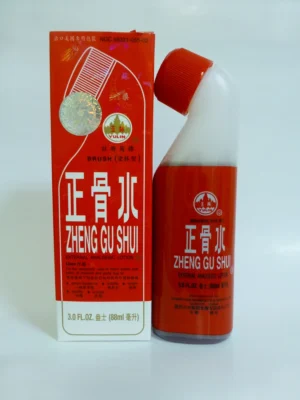 Zheng Gu Shui (w/applicator brush) – Yulin Brand
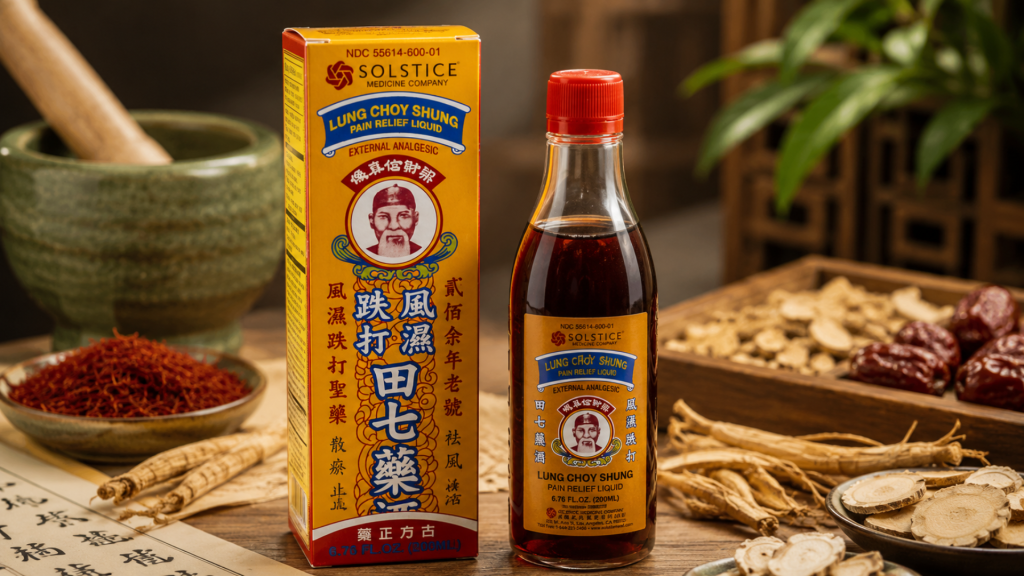
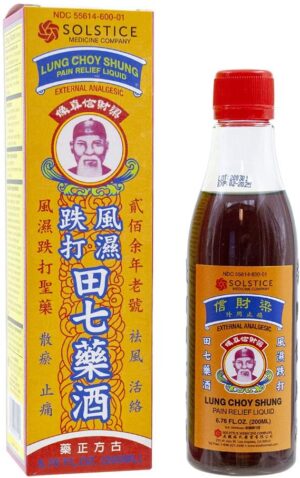 Lung Choy Shung Pain Relief Liquid (Dit Da Jow)
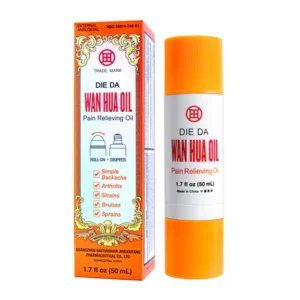 Die Da Wan Hua Oil – Thousand Flowers Oil